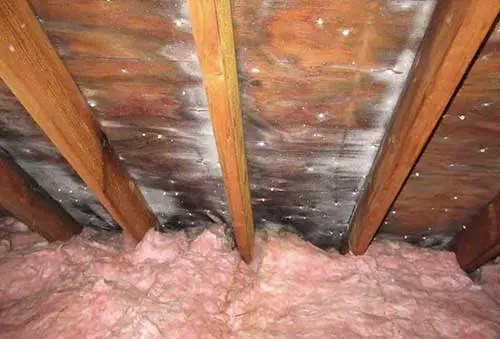
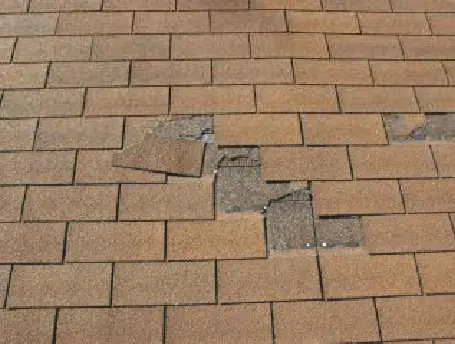
Have you noticed dark stains or water dripping from the roof?
With an experience of more than 40 years, Southern is a roof leaking specialist in Wellington. Our roofing team is certified and deliver their job with the best practices and safety techniques. We believe in offering quality workmanship.
Our roofing team can detect all kinds of roof leaks. Depending on the nature of the leak, we offer the best solutions to fix roof leaks. Our roofing specialists have years of experience and analyse the roof leak without delay. If you delay roof leak detection, it might become a huge problem and can be risky as well.
When we recommend the prospective solutions, we keep in mind factors such as the location of your property, how windy it gets, which roofing material is best for your property, and more. We ensure all roofing jobs are done according to the building codes and are building compliance. We fix roof leaks for tiles as well as metal roof profiles.
Blocked drains can cause a lot of damage, not only to the drains but also to the houses. Experts at Southern fix blocked drains Wellington wide. We have a fast response unblocking drainage Wellington service. You can call us for other plumbing services in Wellington.Blocked drains are caused by broken drains usually, furthermore tree roots grow into the crack, and then on the inside of the pipe. Sometimes the drain breaks completely and the water discharges underground until the solids build up and eventually block up the drain until it discharges out an entry point.
Southern has been operating in Wellington Region for more than 35 years. We are fully certified and are roof leaking specialists in Wellington. Our services started with roof leak repairs and expanded to roof replacement, new roof installation, roof maintenance, gutter maintenance, spouting and guttering replacement, and more.
We are Wellington based roof experts. Our team is experienced and can work with different kinds of roof and roof profiles. You can count on our quality roofing services for all kinds of roofing services. Our roof leak specialists are available in Porirua, Lower Hutt, Upper Hutt, Wairarapa, Johnsonville, Miramar, Island Bay, Wellington CBD, and other suburbs.
Concrete Roof Tile Repairs and Upgrades
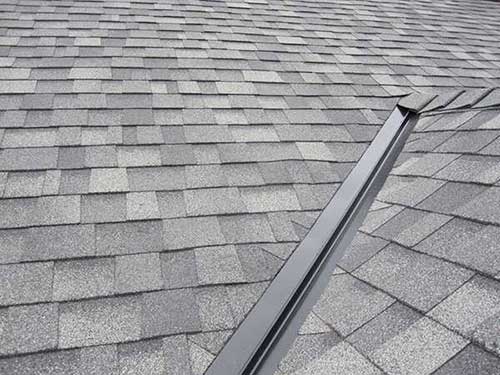
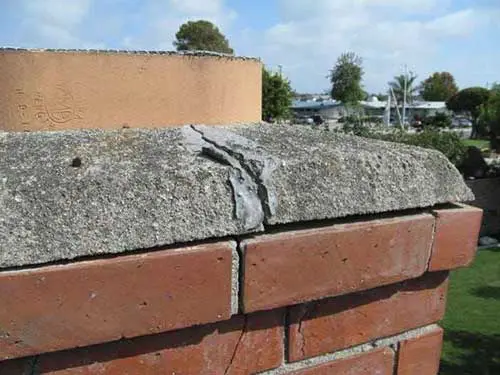
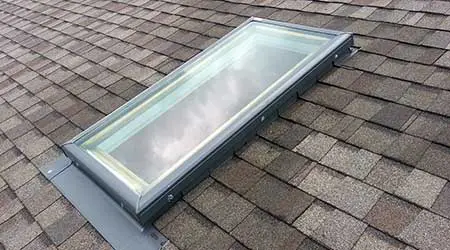
We repair and remortar ridging and valleys.
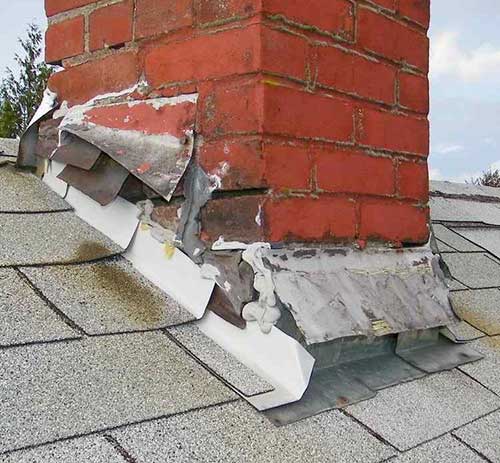
We replace lead flashings on concrete tile roofs.
Call today for a roofing assessment. 0800 484 353
Looking for a Roof Leaking Specialists in Wellington?
Solar hot water is still the cheapest way to heat water once the sun does the work — reliable, proven, and most of your running cost becomes $0 during daylight hours.
Southern has been installing, servicing and repairing solar hot water across Wellington since 1982. 40+ years, ~29,000 jobs. We partner with Apricus (our preferred brand) for evacuated-tube systems and handle every brand’s repair and maintenance.
Call 0800 484 353 for a free on-site solar assessment.
Evacuated Tube Collectors — Our Preferred Tech
We install Apricus evacuated-tube solar collectors as our default. They outperform traditional flat-plate collectors — particularly in the cooler, windy, lower-sun conditions Wellington actually has most of the year.
Significantly higher heat capture in low sunlight
Excellent winter performance
Vacuum insulation minimises heat loss on cold days
Individual tubes can be replaced without swapping the whole collector
Higher operating temperatures — more hot water from the same roof space
Typical sizing: 20 tubes for a smaller household, 30 tubes for medium-to-large, larger arrays for commercial. Requires a north-facing (or near-north) roof with decent daylight access.
Solar-Ready Hot Water Cylinders
Solar-ready cylinders integrate with your evacuated tubes while keeping backup heating on tap when the sun’s gone for the week.
Electric element backup for cloudy stretches
Gas boosting option if you’re already on gas
Heat pump integration ready for future retrofit
Temperature and pressure safety valves sized correctly for solar inputs
If you’ve got an existing cylinder, we’ll advise whether to swap it or keep it — most modern cylinders under 10 years old can be retrofitted.
Solar Hot Water vs Heat Pump — Which Wins?
Both work. Which one fits depends on your roof, your shading, and whether you want heating 24/7 or just during daylight.
We’ll tell you which one genuinely suits your property during the site assessment.
Repairs, Servicing & Flat-Plate Upgrades
Already have a solar hot water system? Great — they last. But they need servicing, and older flat-plate systems often underperform in Wellington conditions.
Maintenance work we do regularly:
Pump replacement and performance testing
Controller faults and upgrades
Sensor replacement
Fluid change-out and air purging
Temperature/pressure valve servicing
Leak detection and seal replacement
Annual performance efficiency testing
Flat-plate to evacuated-tube upgrade: if your old flat-plate system is underperforming, upgrading to Apricus tubes is often cheaper than nursing the old one along for another winter. See solar hot water repairs.
Commercial Solar Hot Water Systems
High hot water demand plus long payback horizons make commercial premises some of the best solar candidates in the country:
Apartment buildings and body corporates
Hotels, motels and retirement villages
Schools and sports facilities
Food production, kitchens and commercial laundries
We design, supply, install and maintain commercial-scale evacuated tube arrays with the backup and boosting you need for peak demand periods. Full compliance sign-off and warranty coverage.
Why Southern for Solar Hot Water
We’ve been installing solar in Wellington conditions for decades. That matters because the cheap solar install in a showroom isn’t the same install that survives 120 km/h southerlies.
Apricus partner — premium evacuated tube systems
Plumber, gasfitter and electrician on one team — all trades covered in-house
Yes — if you have a north-facing or near-north roof. Evacuated tubes work well even in cool, windy and cloudy conditions, which is why we prefer them over flat-plate collectors. Southerly-facing or heavily shaded roofs are better candidates for heat pump water heaters.
North or near-north is required for best performance. Near-north (NE or NW) still works but with some performance drop. We can assess your actual orientation and shading with an on-site visit.
Typical payback is 6–10 years depending on current hot water spend and how much sun your roof gets. Equipment lasts 20+ years, so you get a decade of effectively-free hot water after payback.
Solar-ready cylinders include electric or gas backup — you never run out of hot water. On cloudy days the system still captures some heat; the booster tops up the difference.
Usually yes, if the cylinder is under 10 years old and in good condition. Older cylinders are generally swapped at the same time — it’s cheaper than doing it twice. We’ll advise during the quote.
Yes — pump replacement, controller faults, fluid change-outs, sensor swaps, leak detection. See solar hot water repairs and maintenance. Annual service plans available.
Often yes. Flat-plate collectors underperform evacuated tubes in Wellington conditions, particularly in winter. Upgrading to Apricus tubes is often cheaper long-term than nursing an underperforming flat-plate along.
Are your drains blocked, or do you have a sewer line problem? Call expert Wellington drain unblockers. Our drain unblockers Wellington provide solutions to various drainage problems like sink declogging, sewer repair, unblocking sewage drain, and storm water drain repair services. You can call us for emergency drainage services and emergency unblock 24/7 in Wellington. We have a fast emergency response for drain unblocking in Wellington. Our experts can unblock drains and sewage using Industrial Water Blasters and Drain Unblocking machines. See our Drain Unblocking Services.
How do we unblock drains?
Either Water Blaster or Drainage Machine
How soon can you come to a blocked drain?
Usually 24 Hours or sooner. They go into a list and are done geo graphically ie if you are close to the truck you are next.
How long do you gurarantee a drain unblock?
We dont leave until its unblocked but we are not replacing anything during an unblock. Broken drains are the most common reason for the drain blocking.. Until you get those drains replaced it will keep blocking due to roots growing in.
How do I know my drains are blocked?
You may notice kitchen or toilet waste material overflowing outside from a gully dish. Every time sink, shower or basin is used; water overflows or every time the toilet is flushed, water overflows from the drains or starts filling up the toilet. You may also notice that water rises up in the toilet bowl and slowly drains away. In some cases, the toilet ripples or burps as if it is letting air out.
Why are my drains blocked?
There can be different reasons for blocked drains like broken drains, growth of tree roots, food waste, dirt, toilet paper build-up, and more. Sometimes the drain breaks completely, and the water discharges underground until the solids build up. Dumping baby wipes, wet wipes or diapers can also block the drain or toilet.
Kids
Sometimes kid throws their toys in the toilet as well. We have had several toys put down in the toilet such as a tweety bird and his friends. They are very hard to get out of a toilet or a drain. Our machines and tools help in sorting these drainage problems. Our drain unblockers Wellington team can take out any toy or object from those blocked drains.
In most cases, we use water blasters or machines down the drain. The water blaster cuts through tree roots, and more. Water blasters are better than a machine, particularly for stormwater drains filled with sand. High-pressure water is a powerful force.
There are some situations where we need to remove the toilet or go down a vent to get access to the drain.
Permanent Solutions to Blocked Drains
If you are looking for a permanent solution to tree roots then we can dig and replace the section in the area. In rare cases where drains are under buildings, we can run a sleeve under the building inside the old drain. Sometimes it is cheaper to run a new drain around the building. For drain unblockers Wellington, Call Southern today on 0800 484 353.
Emergency Drain Unblockers Wellington
Call for our operator in your area.
We understand drain services and know it is a concern when it is out of hours.
Our drain unblockers Wellington specialise in solving blocked drains and offer good reliable solutions for all your unblocking problems. We have more than 40 years of experience and expertise to assist you with your drain blocks. We will assess and know what causes the blockages and will be able to identify the problem. Our team is committed to providing excellent customer service at all times. You can call us for any emergency blockage problems in Wellington on 0800 484 353.
Causes of Blocked Drains
By far a majority of blocked drains are caused by broken or cracked drains allowing tree roots to enter and block the drain. It is rare for a foreign object to go down the drain and block it, as it has to pass through the U-bend toilet pan or the Gully Trap, where the waste pipes discharge. Sometimes cans, toys or other materials also block the drain. Ensure grates are on the gully traps to keep these items out. Recently we were called to a drain block where the kids put a motor vehicle oil filter down the gully. Round or cylindrical items are hard to get out and need the drain opened up to get them out. In this case, we got it out with a water blaster.
Residential and Commercial Drain Unblocking
The causes in residential and commercial blocked drains are different. In commercial it can be grease or fat. We recommend a CCTV drain camera is put done at the time of drain unblocking and this will identify any drain repairs required and avoid a repeat drain unblocking.
Prices of CCTV Drain Cameras
A CCTV drain camera inspection is cheaper at time of unblocking also as we are already there. This will locate the position and depth of the problem at the same time. Then we can price the drain repair.
We are a 24/7 business so you can call anytime for our drainage services and drain unblocking.
Unblocking Drains – Drain Unblockers Wellington
Drain Unblocking Methods Used by Our Wellington Drain Unblockers
There are three methods for unclogging drains:
Hand rod
Machine worm or cable
Industrial water blaster.
The unclogging drain methods mentioned above have advantages and disadvantages. They cannot repair a broken drain, they only remove the blocking elements. They may remove the roots temporarily. If the roots keep growing inside the drain pipes, you need to get it replaced. Rodding is cheaper than replacement and can keep a drain last for many years. It could be said it is better to fix it right once.
Storm Water Drains
If storm water drains are not managed properly, they can become a big problem for houses as well as the nearby areas. If they are not maintained, the drains will start to accumulate leaves, dirt and sand which causes them to clog and become blocked. If the drain is blocked, it is filled with leaves and sand. A water blaster is best for getting sand out of a blocked storm water drain. Water blasters are great for cleaning out sand from storm water drains.
Drain Cameras CCTV Drain Camera Inspections
Drain cameras are helpful in locating and viewing the state of the drain and the location of the damage. It gives assurance to identify the problem most of the time.
CCTV drain cameras will not fix the drain but will often not see minor cracks, or leaking and broken joints. In some cases, a water test is the only way to see if a drain is leak.
Call Southern today for locating blocked drain and drain unblocking services in Wellington – 0800 484 353.
The reality is if you can find the wood free it is cheaper for heating purposes. But you will probably have to cut it, stack it and cart it in and dry it.
But if you have a gas fire next to a wood burner you will light the gas fire as it is quicker and less work and you feel the heat straight away. The wood burner becomes a white elephant.
The heat pump on the other hand will take a while to heat the space.
Then there is the work of cleaning up a wood burner afterwards. The initial cost of installation is often higher for wood burners.
The romantic angle of wood burners is gone now too, as there are gas flame effect fires that look and feel just like a wood burner. And some are efficient too at around 90% or more. Now if its romance you want get us to install spa bath big enough for two.
Evolve 1250 Gas fire simulates a real open gas fire. There is an option for an extra glass grill protection.
The main reason for installing a wood burner is that natural gas is not available and you have a big area to heat. There is no replacement for an open wood fire if that’s what you want but remember that all that heat going up the chimney is dragging cold air into the house also.
When the weather is really cold heat pumps lose their efficiency and the cost goes up. Also when your wood is wet less heat is given out as most of the heat is spent drying the wood.
H
Is It Cheaper to Heat a Home with Wood?
Heating a home with wood has long been considered one of the most cost-effective ways to stay warm in New Zealand, particularly in regions like Wellington where winter heating demand is high. Whether it is actually cheaper than electricity, gas, or heat pumps depends on several key factors including the cost of firewood, appliance efficiency, insulation levels, labour, and long-term running and maintenance costs.
Below is a clear, practical breakdown to help homeowners make an informed decision.
1. The True Cost of Firewood in Wellington and the Lower North Island
Firewood prices vary by season, location, and wood type. As a general guide:
Pine: Lower upfront cost, burns faster, produces more ash
Macrocarpa: Mid-range price, steady heat output
Hardwoods (e.g., Blue Gum, Manuka): Higher purchase cost but longer burn times and greater heat output
Typical costs range from per cubic metre delivered upwards depending on supply and winter demand. While wood may appear cheap per unit of fuel, the total winter cost depends heavily on how efficiently the heat is retained inside the home.
Homes with poor insulation, single glazing, and draughts will consume significantly more wood to maintain comfort.
2. Efficiency of Modern Wood Burners vs Older Units
Not all wood burners are equal. Key efficiency differences include:
Older wood burners: Often 40–60% efficient, higher wood consumption
Modern clean-air compliant burners: Typically 70–80% efficient
Wetback systems: Can offset hot water heating costs when correctly designed
A modern high-efficiency wood burner can dramatically reduce both fuel use and indoor air pollution while improving heat output consistency.
3. Comparing Wood Heating to Other Energy Sources
While exact costs change with market pricing, wood heating is generally:
Cheaper than electric resistance heaters
Competitive with heat pumps in insulated homes
Often cheaper than bottled LPG
Sometimes more economical than piped gas in high-use households
However, unlike electricity or gas, wood requires:
Physical handling and storage
Time for starting and managing fires
Regular flue and chimney cleaning
Ash removal and fire safety management
These “hidden costs” are often overlooked but should be considered in the total cost of ownership.
4. House Size, Insulation, and Layout Matter More Than Fuel Choice
Whether wood heating is cheaper than other options depends largely on:
Ceiling and underfloor insulation
Double vs single glazing
Air-tightness and draught control
Ceiling height and open-plan layouts
Number of heated rooms
A well-insulated home with a centrally located wood burner may require only modest quantities of firewood each winter, making wood extremely cost-effective. Poorly insulated homes may spend more on wood than they would on a high-efficiency heat pump.
5. Environmental and Compliance Considerations in Wellington
Wellington has strict clean-air standards for wood burners:
New installations must meet clean-air emission standards
Some suburbs restrict certain burner types
Only compliant low-emission appliances can be legally installed
Уproper flue installation and safety clearances are mandatory
From an environmental perspective, sustainably sourced wood is considered a renewable energy source, but inefficient burning can increase air pollution.
6. When Wood Heating Is Usually the Cheapest Option
Wood heating is often the most cost-effective choice when:
Firewood is sourced cheaply or self-supplied
The home is well insulated and airtight
A modern high-efficiency burner is installed
The house is occupied for long periods in winter
There is space for proper wood storage
It is especially attractive for rural and semi-rural properties where wood supply is plentiful and electricity prices are higher.
7. When Wood Heating May NOT Be Cheaper
Wood heating may not be the cheapest option when:
Firewood must be purchased at retail winter prices
The burner is old and inefficient
The property is poorly insulated
Labour, storage, and maintenance are factored in
Convenience and automation are a high priority
In urban settings, heat pumps often provide better cost-to-convenience ratios for many households.
Final Summary: Is Wood Heating Cheaper?
Yes — wood heating can be cheaper than electric or gas heating, particularly in well-insulated homes with access to affordable firewood and a modern high-efficiency wood burner. However, when labour, maintenance, storage, and compliance costs are included, the actual savings vary significantly from one household to another.
For some homeowners, wood offers the lowest running cost per winter. For others, modern electric heat pumps may be cheaper in practice when time, convenience, and automation are factored in.
Estimated Heating Cost Comparison – Wellington Homes
Based on a typical 120–160m² moderately insulated Wellington home, winter heating use, and current average regional energy pricing. Actual costs vary by home and usage patterns.
Wood is the cheapest option only when firewood is affordable and the home is well insulated.
Heat pumps deliver the best balance of low running cost and convenience for most urban Wellington homes.
Bottled LPG is consistently the most expensive long-term heating option.
Gas heating carries high fixed daily charges, making it costly even at moderate usage.
Electric resistance heating is simple but inefficient for whole-home heating.
Which Heating Option Delivers the Best Value?
Household Type
Best Value Heating Option
Rural or semi-rural property with access to wood
Wood burner (self-sourced fuel)
Urban Wellington home, well insulated
Heat pump system
Short occupancy, automated heating preferred
Heat pump or electric
Large full-time occupied family home
Wood + Heat Pump combination
Gas-connected legacy home
Gas (only if infrastructure already exists)
Calls to Action (High-Conversion Website CTAs)
These CTAs are written to drive enquiry, consultation, and upgrade conversions:
🔥 Thinking About Upgrading Your Home Heating?
If your current heating system is expensive, inefficient, or nearing the end of its life, now is the ideal time to review your options. A properly selected and correctly installed heating system can reduce your annual energy costs while dramatically improving warmth, air quality, and comfort.
👉 Book a Heating Assessment Today
⚡ Considering Switching from Gas or Wood to Electric?
Heat pump technology has advanced rapidly and now offers some of the lowest running costs available in Wellington. Many homeowners are upgrading from gas or wood to fully electric heating as part of future-proofing their homes.
👉 Request a Free Heat Pump & Electrical Upgrade Quote
🔧 Need Professional Advice You Can Trust?
Every home is different. The cheapest option on paper is not always the cheapest in practice. Our qualified technicians assess:
If you think you can smell a lot of gas or hear hissing.
Get out of the building and call 111.
If the leak is Moderate Call 0800 436 020
Turn off any appliances.
Do not operate any light switches or electrical appliances.
Open the windows, and doors to let the place ventilate.
Turn off the gas at the meter. If you are unable to do this.
Contact the gas supplier from outside, or call us on 0800 484 353.
If you cannot contact us, or its after hours contact your gas supplier.
The gas supplier will plug the gas supply until it is fixed. They will ask you to contact a licensed gasfitter.
Once the gas is off, call us to check if there is a gas leak and locate it. 0800 484 353
We carry out a leakage test. This will tell us if is leaking but it will not tell us where it is.
There is a process for locating gas leaks.
Gas leak detection is a critical service in Wellington, ensuring the safety and well-being of both homes and businesses. Gas leaks can be dangerous, leading to potential fire hazards, explosions, and health risks if left undetected. Our professional gas leak detection services in Wellington use advanced equipment to identify leaks quickly and accurately, helping prevent accidents before they happen. Whether it’s a small leak in a residential kitchen or a larger issue in a commercial building, timely detection and repair are essential. We offer prompt and reliable service, giving peace of mind to property owners and keeping Wellington’s communities safe.
Gas Safety
With gas leaks, there is a safety aspect to each job. If you can smell gas, then do not operate any electrical appliances or ignition sources. Open windows and ventilate the area. If you can turn off the gas at the gas meter, do so. Turn the handle 90 degrees so it is at right angle to with the pipe.
Call Southern Plumbing from outside the gas leak area on 0800484 353.
We have been locating gas leaks in Wellington for over 40 years. We follow a set of guidelines for detecting a gas leak. The management of gas leaks which is an unsafe situation comes under the Gas Regulations 2010.
If the gas supplier is called regarding a gas leak, the gas is turned off and usually disconnected i.e., the meter plugged off. The gas meter stays turned off until repairs are carried out.
Once repairs are done another test is carried out to ensure the problem is repaired and the gas turned on if the system is not unsafe.
Existing Installations
Existing piping installations can have very small leaks so long as they are within acceptable limits which are listed within the Installation Standard.
How ever this also depends on where they are. If the small leak is within a confined space, e.g. under a gas hob in a cupboard, the gas will build up and the leak will have to be located, and repaired.
If it’s an Gas Leak Emergency, call us now: 0800484 353.
Testing
We follow the elimination and testing process to detect gas leak. Our expert team is experienced in detecting gas leaks in both commercial and residential properties. If there is a gas leak, then we evaluate and analyse how big is the leak. Then we look for things like rusted piping, etc. The most common causes are checked.
We disconnect the meter, attach a test piece, and pressurize the system. If the system loses pressure over 5 minutes or if the leak is beyond a certain level; depending on the size of the system, we turn off the gas until the system is safe and repairs are done.
Gas Leak Location Process
We begin searching for the gas leak by disconnecting gas appliances. We disconnect cookers, water heaters, and other gas appliances.
If no gas leak is detected, then the system is cut into parts, and each part is pressure tested to narrow down the search.
After finding the gas leak, repairs are carried out.
If the piping is not accessible, it is sometimes cheaper to replace the pipe than search for the leak, especially underground sections.
We suggest our customers to call us soon if you smell gas in your property. We take the service call and it may take 45 minutes to 2 hours. After that, the work is investigative and is charged by the hour. We assess whether it is better to replace the pipe than look for the leak.
We have experience of more than 40 years in Wellington. Our certified gasfitters can detect all kinds of gas leaks. We are available for emergency call outs on 24 hours basis, you can call Southern on 0800 484 353.
Copper Vs Plastic Piping – Water Pipe Replacement Wellington
This page is a discussion comparing Copper Vs Plastic.
Wellington homes use a mix of copper, plastic, polybutylene, and older galvanized iron piping. Each material performs differently, and ageing systems can lead to leaks, poor pressure, and ongoing failures. Our qualified plumbers specialize in the replacement of old or failing water pipes, providing safe, compliant upgrades for all property types.
Copper Piping
Copper is durable and heat-resistant, but in Wellington it can still fail when electrolysis or mixed-metal corrosion occurs. Pinhole leaks and internal corrosion are common signs that replacement is needed.
Copper can have problems with water treatment where and aluminium flocculant is used to treat water, and some of it gets into the water supply system. Where this happens it causes corrosion. This is due to Aluminium being at the other end of the Electrochemical series ie it attacks copper. It is mostly a hot water cylinder problem where they are copper.
Plastic Piping
Modern plastic piping performs well, but earlier products—especially polybutylene, early models of Buteline, Polytherm, and Dux Qest (Quest)—are now prone to cracking and joint failure. Many Wellington homes still contain these materials, making them a priority for replacement. Ensure the old piping over 25 years old has pressure limiting valves to restrict pressure to as low as possible. Keeping the pressure to around 300 kPa will limit leakage.
Galvanised Iron
Although 0lder homes may have galvanised iron it is no longer an approved material for potable water supply. Many homes experience rusting, blockages, and bursts, particularly in soft-water areas. Full replacement is usually the most effective solution. Often iron pipes leave a stain on baths and basins. The stain is difficult to remove. Often buildings that have iron piping find that suddenly the water is cut off unexpectedly due to rust breaking off and travelling along till it cannot go any further causing a blockage cutting off the water either to the whole building or part of it. This will require re-piping.
Why Pipes Fail
Electrolysis and corrosion.
Ageing polybutylene systems over 25 years.
Excessive Pressure and temperature changes.
Ground movement
Internal rusting of galvanised iron
Wellington’s Pipe Replacement Specialists
We replace all types of water piping, including polybutylene, Dux Qest, Dux Black, galvanised iron, and compromised copper. Our team ensures your new system meets NZ Standards, improves water pressure, and provides long-term reliability.
If your home has leaking pipes, poor pressure, or known polybutylene, contact our expert plumbing team for a water pipe assessment and replacement plan.
Copper Vs Plastic
Call today 0800 484 353
Poor Shower Pressure Wellington
If you have poor shower pressure and a low-pressure hot water system, you need 20mm copper. The pipe should run from the supply tank or pressure-reducing valve to the shower mixer for best results.
Southern will only repipe in PEX or copper. For in ground water supplies, we replace in high-density Polyethylene. We recommend using these materials as they are tested to last a long time, are reliable, and durable.
Copper Vs Plastic Call today 0800 484 353
The Polybutylene Disaster
One leak in the plastic pipe can cost you a lot of money. A small leak can result in a big problem. A Wellington owner went away on holiday for a month and came back to the ceilings in his home collapsed, and the lower part of his house flooded. A lot of damage was done in his absence, the family heirlooms were ruined and half of the house was destroyed.
The Real Cost of Polybutylene is huge
The house was unliveable for weeks. A large part of what he lost was not covered by insurance, as money cannot replace items of sentimental value, for example, family photos.
Consequential Damage
Some insurance companies do not cover dux qest polybutylene piping where there have been bursts before. Some insurance companies are not covering it at all.
Some homeowners wait till the pipe bursts, thinking that the insurance company will pay. Most insurance companies don’t cover the Polybutylene pipe they cover consequential damage.
This is and image of a Buteline Elbow where the insert leg has broken off due to age. This kind of failure is becoming more common.
When we undertake repairs, some wall linings have to come out while replacing the plastic pipe. Plumbing in front of the wall also needs to be removed and restored. We cannot reinstall some plumbing items. For example, vanities are glued in or of poor construction. Some shower cubicles cannot be taken out without damage.
Polybutylene
Polybutylene pipe is the most common water supply pipe in NZ. It is also convenient for the plumber as it is lightweight, needs simple tools, and not a lot of skills to install it. The disadvantage of installing Plastic pipe is that rodents chew it, and it splits and cracks over time. In the past, Dux had a version called Qest, often spelled wrong as Quest.
Black Qest Piping
The black Qest plastic water pipe was installed all over New Zealand, including Wellington, Lower Hutt, Upper Hutt, Karori, Khandallah, Tawa, Brooklyn, Kapiti Coast, Mount Victoria, and Whitby. The acetal fittings were more prone to leakage. More recently the piping itself is failing, both the black and grey, and all brands. We can do a lot of things to minimize the replacement cost of this pipe.
It generally pays to replace the lot in one go. Replacing it piece by piece is more expensive. It is usually run along a cheaper route to minimize reinstatement of wall linings.
This month we are repairing a polybutylene piping system where the damage over a period of years has rotted the flooring to the point it is dangerous to enter the bathroom. In order to work in there we have to put a sheet of ply on the floor. Although polybutylene seems cheap at the time it is installed in the long run it is the most expensive. It is likely when the floor comes up when the owner can afford to do the work the structure of the building may be damaged and need replacement.
Are There Places Where Copper Cannot be Used
There is an area called Kapiti where copper has a problem with corrosion. A conclusive cause has not be found. In this case plastic wins the Copper Vs Plastic debate.
Copper Vs Plastic
Copper usually wins.
Replacing Polybutylene
Copper Vs Plastic
You dont have to use copper or polybutylene to replace it. There is a new material now Polypropylene or PEX which is a better quality product than polybutylene. The fittings are better too, more robust. The pipe is often double wall. It is much tougher than polybutylene.
The best product for water supply is High-Density Polyethylene (HDPE). This has been used for many years and is good for cold water but not for hot water. Polypropylene is good for hot water, hence is used inside. It is slightly more expensive than Polybutylene. It still can be chewed by rodents, but it won’t fail the way polybutylene fails.
We are experts at replacing polybutylene. We have completed many burst pipe jobs in Wellington.
The cost of replacement depends on where it is installed. If it is under the house or in the roof space and if it is accessible, then the cost is fairly low. There is just the piping in the walls to deal with which involves opening up wall linings in some cases. If it is between the floor then ceiling needs replacement too. We usually pick a different route to that which was originally used to minimise reinstatement.
We recommend copper and PEX to replace all internal piping. Some of the grey piping is also now splitting and leaking, we recommend replacing it with polybutylene. Call Southern now on 0800 484 353 for a consultation on Copper Vs Plastic and check out our free quote terms and conditions.
Copper Piping
Copper Vs Plastic
If you want the best flow and peace of mind from rodents, then replace plastic with copper. It is rare for copper to burst. If it fails, it is usually a pinhole. The disadvantage of copper is that it is a bit more expensive and can suffer from electrolysis. The level of failure is low. It copes well with high-temperature hot water and rodents. Some hot water piping can only be done with copper.
PEX v’s Polybutylene
These two piping systems are both plastic. Polybutylene has been around for many years here in NZ. PEX has been around for many years overseas and is a much better quality product than polybutylene.
PEX Cross Linked Polyethylene
We use Rifeng PEX, Kembla PEX, and Kekekit PEX. All are European standard products.
PEX has a thicker wall and is generally a tougher product. PEX and polybutylene rely on a crimp ring. If you do not like a crimp ring, we can install PEX with a sliding sleeve. Polybutylene has a shorter life than PEX and a much higher failure rate.
Call today for an appraisal on a Pex installation 0800 484 353
The Cost of Water Leaks
In Wellington, only commercial properties require water meters. Polybutylene fails at a higher rate than other products. It is often used underground, and the leaks go undetected. They can be detected if a water meter is fitted or the leak comes to the surface.
Case Study 1
One of our customers had water under their deck and thought it was ground water and thought they needed a ground water drainage system. We started work on this but noticed the water was getting beyond normal. A pressure test was carried out on their water piping and it was found to be leaking at a huge rate. The leak was traced and repaired. This meant the ground water drainage system was no longer needed. The job was a good example of why water meters can save a lot of water.
Case Study 2
One of our customers was paying thousands per year in water charges. We questioned the high bill and did a pressure test. The test confirmed pipes were leaking. We replaced the piping for the entire commercial property. They saved a lot of money per year from their Body Corp fees. This enabled them to put the money into other building maintenance.
Case Study 3
Another house in Karori had a huge leak that came to the surface. They thought this was caused by the surface water running off. The leaks had been going for several months.
Polybutylene has a limited life 20-30 years approx, less if used on hot water and the pressure is high. It may last longer if the water is cold and the pressure is low.
Southern plumbers are experienced in resolving water pipe leaks and installing or upgrading water pipes. We undertake both commercial and residential projects. Call us on 0800 484 353 for all kinds of plumbing services in Wellington.
Karori Electricians – Trusted Local Electrical Services You Can Rely On
If you are looking for reliable electricians in Karori, you need a team that delivers safe, compliant workmanship with fast response times and clear communication. Our qualified Karori electricians provide professional electrical services for homes, rental properties, body corporates, and commercial premises throughout Karori and the wider Wellington region.
From urgent fault finding and electrical repairs through to full rewiring, switchboard upgrades, lighting installations, EV charger installations, and new build electrical work, we offer complete electrical solutions backed by experience, certification, and proven local trust.
We follow a guarantee “Your job on time on, or it’s free.”
Our Karori electrical services include:
Electrical repairs
Heating controls
CCTV camera installation and maintenance
Safety reports
Fuse board upgrades
Kitchen electrical upgrades
Exhaust fan installation
Towel rail installation
Property maintenance
Solar panel systems and installs
Heating controls
Garden feature lighting
Data installation
and more.
Reliable Karori Electricians
If you’re looking for a reliable electrician near me in Karori, Southern offers experienced and qualified electricians near me who can handle everything from wiring upgrades to lighting installations. Our Karori electricians are local, trusted, and ready to help with residential and commercial electrical work, ensuring safety and compliance every step of the way. Whether it’s a small repair or a major electrical project, you can count on fast, professional service close to home.
Call us for Karori electrical services – 04 380 9214. Sometimes you might find yourself in an odd electrical emergency with no electrician available to do your job. But our electricians are available all the time near you when you face any electrical emergency in Karori. Our electricians are available on a 24 hours 7 days basis for all electrical emergencies. You can call us during any time of the day even on holidays, and one of our professional electricians will be available to help you with your emergency.
If you are after a new Power company check out Power Switch.
Complete Electrical Services in Karori
We provide a full range of residential and commercial electrical services in Karori, including:
Emergency electrical repairs and fault finding
Power point and light switch installation
LED lighting upgrades and feature lighting
Switchboard and fuse board upgrades
Rewiring of older Karori properties
Heat pump and appliance electrical connections
Smoke alarm installation and compliance testing
EV charger supply and installation
Data, TV, and home office cabling
New build and renovation electrical wiring
Electrical safety inspections and compliance certificates
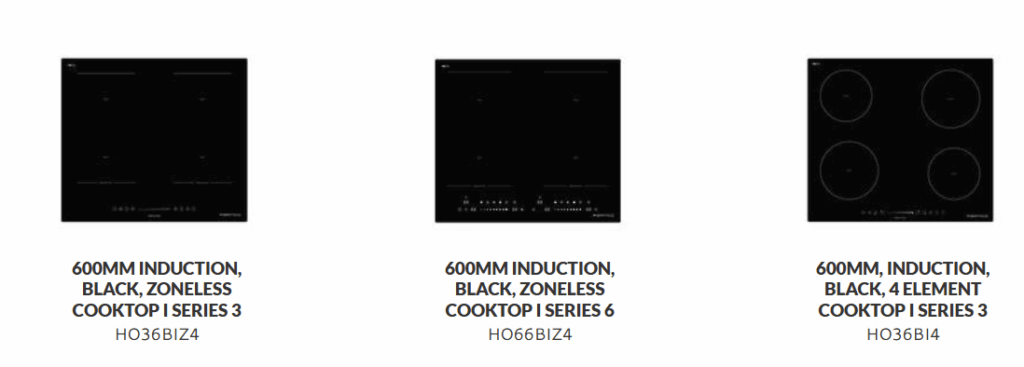
Induction Cook Top Installs.
We run cables to heat pump heater and water heaters.
RCD fault repairs.
No hot water repairs.
Time clocks.
Whether your job is small or complex, our Karori electricians deliver the same high standard of workmanship, safety, and professionalism on every project.
Electrical Repairs in Karori – Emergency & Same-Day Service
Power outages, burning smells, tripping breakers, or malfunctioning appliances require immediate attention. We provide fast-response electrical repairs in Karori, with options for urgent call-outs and same-day service whenever possible.
Our electricians diagnose electrical faults quickly and accurately, minimising downtime and preventing further damage to your property or appliances.
Fast, Safe & Fully Compliant Electrical Work
Electrical work is not something that should ever be delayed or done incorrectly. Faulty wiring, overloaded switchboards, or outdated electrical systems pose serious safety risks to people and property. Our licensed Karori electricians carry out all electrical work strictly in accordance with New Zealand electrical regulations and safety standards.
Every job is thoroughly tested, documented where required, and completed using quality materials from trusted suppliers. Safety, reliability, and long-term performance are always our priority.
There are many gas users that are doing the Gas vs Electric comparison at the moment due to several items in the media regarding gas running out.
Before that it was energy users wanting to be green as it has been claimed CO2 caused climate change. This is a controversial claim with climate experts.
The other reason is the increase in gas energy charges, and gas line charges.
The Gas Vs Electric debate is a complex one depending on each energy demand situation.
Here at Southern we don’t mind which way it goes as we do both gas and electric water and space heating.
The plumbing, gas fitting and electrical industry is responsible for installing a significant percentage of appliances that use a large amount of the energy used. 30% for water heating and in winter the load jumps about half again for space heating. For the Gas Vs Electric debate read on.
Domestic use of gas is about 1% of the commercial load. It wont take much to provide that load. The options are topping up with Hydrogen, and Biogas. They already have a Biogas pilot plant for digesting food scraps. Crop scraps like forestry slash could be used also.
Gas Is Short at the Moment
Gas is short at the moment so the Methanx plant sold their capacity to the power generation users. In the future we could dump power generation as a use for natural gas if we are further short, and just use natural gas, for domestic use and commercial processing, and heating. Eg natural gas is used for processing animal hides, the processing of fruit and vegetables in the cannery industry as a few examples. Natural gas is big in the pulp and paper industry too and they wont be changing any time soon.
We have changed Gases Before
About 45 years ago we moved from coal gas, and manufactured gas, and converted whole cities to Natural gas. We can do the same again.
It is hard to predict the future but there are other options like issuing more licenses to prospect for gas in different locations. Some are quite hopeful. It is unlikely to be a problem in the next 10 years. We are currently discharging methane into the atmosphere from waste biogas. If we captured it all we would not need to drill for gas at all.
Large Hot Water Users – Hair Salons
Large hot water users like Hair dressing salons which can use 100’s of litres of hot water per hour will find it hard to use electricity, or even impossible if they dont have the water storage ability on the premises. A compact gas water heater can deliver 27 litres per minute for hours on end. 27×60 minutes =1620 Litres per hour. The electric water heater would have to be gigantic to match it.
Small salons have a low hot water use and could use a heat pump hot water heater. In the Gas Vs Electric debate it depends on the size of the load as to which way to go. Heating hot water with heat pumps is cheaper than standard electric cylinders.
How Does Gas Compare with Electric on Price
Gas as at Dec 2025 is 17c per kW and electricity is 28c. So if gas is used efficiently with condensing appliances holds its own against electricity on a use bases depending on what its compared to. Eg if compared to a heat pump water heater in summer that is its most competitive comparison. The heat pump beats it on running costs as the heat pump can do 4:1 so about 7c compared to 17c for gas.
If in winter on a very cold day or morning the heat pump may drop to 2:1 so 14c compared to 17c but the gas water heater will not be 100 % efficient so more likely 20c against the heat pump 14c. And the heat pump may be set to heat only at night on the night rate if you have that kind of plan.
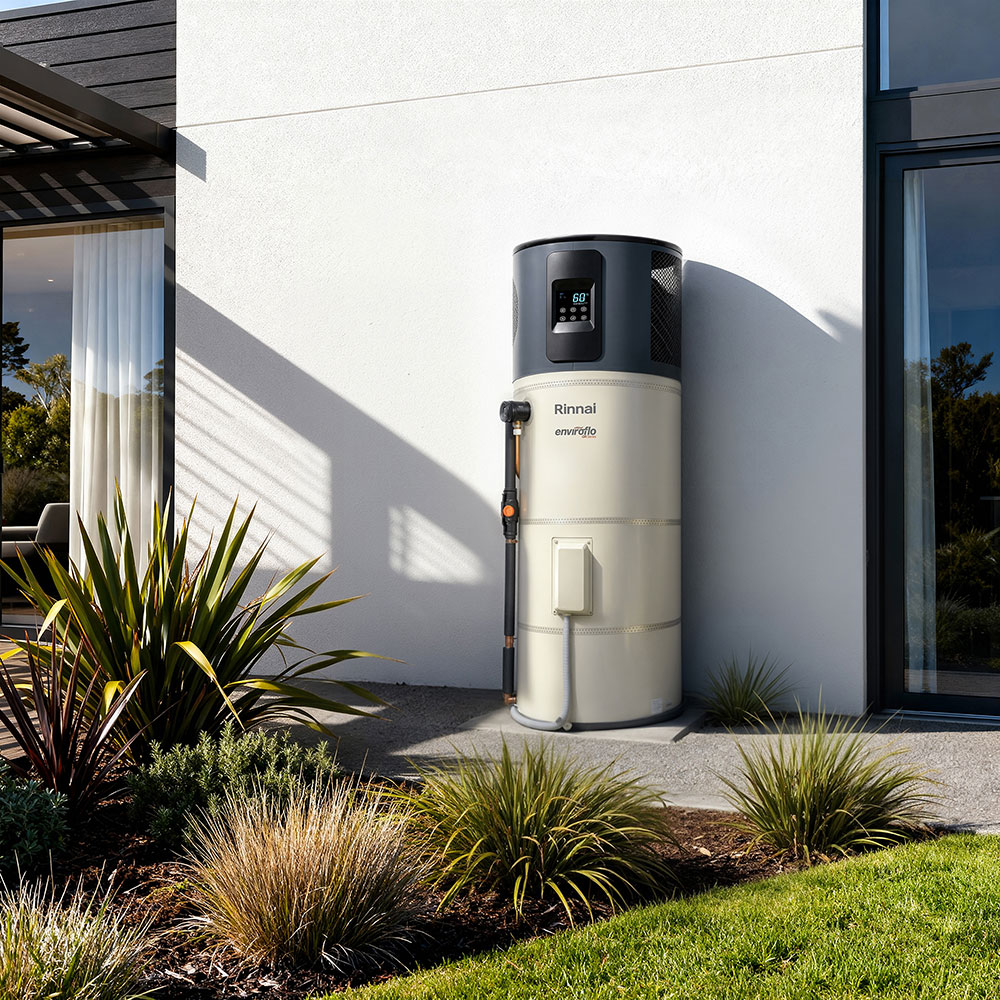
So on the Gas Vs Electric comparison electric wins. But the capital cost of a gas installation is $3k vs $12k for electric if you are upgrading from gas to electric at 2025 prices. If its a new house then is only the extra cost of the heat pump water heater say about $5k including the valves and extra piping and labour.
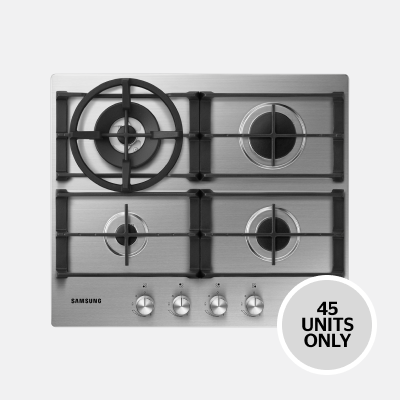
The running cost of a gas hob vs an induction cooktop the gas hob wins but if compared to natural gas if you already have gas as electricity is almost double the price. But not much energy is used with cooking.
Space heating also depends on how its done.
If using a heat pump vs a gas fire that is condensing the heat pump wins depending on how cold it is.
There is something nice about the glow of a gas fire or better a wood fire but efficiency is low and in our busy lives wood fires are time consuming to maintain. But as they say you get warm twice with wood cutting it and stacking it then burning it.
There are homes that are off grid and to do it well wood is in the equation for space heating as in winter its hard to generate power with little sun or wind. They use this wood heat to heat the water as well as the home.
Gas Vs Electric for most users electric wins on operating price but loses on capital cost.
How Does gas compare with Electricity for CO2 Discharge into the Atmosphere
80% of Electricity is renewable ie it is Hydro, Wind, Geothermal or Solar. Solar and wind is increasing. The majority of power is generated with Hydro. But building dams has a high CO2 discharge from pouring concrete. No new dams are likely to be built anytime soon. When we have peak demand it is natural gas, and coal that is turned on. So that means any new electric appliances are actually powered by coal. It will take a while to install enough solar and batteries to get rid of coal. We increased our demand on coal due to more electricity needed. Coal is worse that gas regarding CO2 discharge.
Many new gas appliances have low CO2 emissions with over 93% efficiency. Even electric appliances have a CO2 component due to some of our electricity being generated by burning coal, or gas. More Coal than Gas.
Why did people go gas in the first place
Gas has a large amount of energy in a very small pipe and the appliances are cheap. E.g. A continuous flow gas water heater at 50kW is $2000 compared to a Heat pump water heater at 4 kW at $5000. But the installation of the Heat pump is also more. $7000 to $12,000 compared to $3500 for the gas water heater. 2025 prices.
Another example is a gas hob $1200 installed compared to a electric hob at $2200 installed.
Notice the gas water heater is rated at 50kW compared to the heat pump at 4kW. The gas water heater is much more powerful, and can heat as it goes where as the Heat pump water heater has to store a lot of water in a tank, and keep it hot usually outside. The energy to produce a large heat pump water heater is significantly larger than the gas water heater.
In the Gas Vs Electric debate for heavy energy users Gas wins.
Space Heating is the big problem for electricity
Space heating uses a lot of energy and when its cold energy use roughly doubles.
When the energy demand is high as it is with space heating on a cold day, and there is a large area to heat then the heat pump is going to be large, and push the domestic residence to have enough power available to heat the space. If you have two heat pumps going, the water heater is demanding power, and stove top is going the power to a residence will be at max capacity.
This is the problem New Zealand faces going all electric. Do we have the power lines and generation to do this?
Add electric cars to this equation is not a load issue as they usually charge at night but the cars still need generation capacity. New Zealand will have to invest in solar and wind generation.
What about Central Heating?
Heating generally is the big problem with electricity. Gas boilers are rated at 20 to 35Kw’s doing this with heat pumps is not the same as water heating where energy is stored.
Radiator Central Heating
For radiator central heating, heat pumps struggle to heat water to 55 degrees Celsius as opposed to a gas boiler which heats the water to 70 degrees. So more insulation is needed to prevent heat loss in the building, and radiators need to be bigger, or fan coils need to be used to blow air across a heat exchanger. The size of the heat pump is about 14kW compared to 25kW for gas. Now you see the problem. You only have half the energy and it will take longer to heat the same space. But wait there is more, the gas boiler costs $5,500, the heat pump costs $15,000 for the units. The installation is twice as much too. $20k to $40k for heat pumps.
Although heat pump radiator heating is possible with electricity it has to be specially designed and the heat load minimized by insulating the premises and the use of fan coils ie using a fan to blow air over a heat exchanger to get enough heat into the space.
For the Gas Vs Electric debate its a win to gas but electric is doable but at a considerable cost.
Warm Air Central Heating
The ducts are larger and the heat pump furnaces are bigger and they go outside as opposed to in the ceiling space or under the floor for gas central heating. The existing ducting for gas central heating cannot be used for Heat pump central heating as its not big enough. The duct temperatures are lower so the new ducting needs to move more air.
Comparison prices for Gas Central heating are $15k for gas and $30k for Heat pump.
Re Gas Vs Electric on space heating Gas wins.
Other Reasons for going Electric
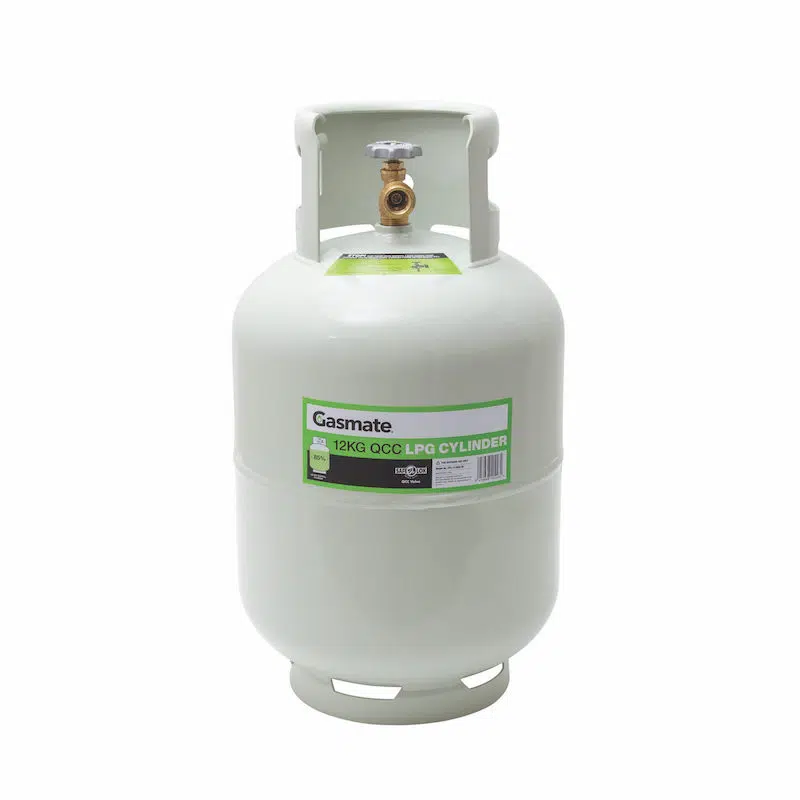
If you only have a small use for gas it will still cost the gas line charge for gas hobs, or small gas fires it is more economic to go electric. But you might like cooking with gas so install a 9kg bottle outside. For gas fires you might like the flame effect so upgrade to a 15kg bottle, and for the few times you turn that gas fire on you have that romantic flame effect.
Does my house even have enough power to go all electric?
Heat pump Central Heating 15 Amp
Heat Pump Water heater 15 Amp
Induction Cooker 40 Amp
Computers, lighting
Kitchen appliances 10 Amps
Total Draw if all going 80 Amps
Cable size to the House 60 Amps
So you see we have a problem 80 Amps is bigger than the incoming power cable. Some customers are adding a second phase cable to the house. So that is another line charge. It is unlikely the stove is using all four heating elements and the oven, so its perhaps drawing only 15 Amps. Some customers only have a 40 Amp cable so are locked into an all gas cooker. Now they can have all the other things electrical.
For some customers Gas Vs Electric gas wins as they cannot change to electric as the power cable is too small and the cost to high to change it.
Now Add the Electric Car to the Mix
Electric cars are mostly charged at home, and at night when other power consuming things are not used. Power generation runs 24/7 regardless of using power or not so using power at night is a cheap option on the night rate.
Who knows what the future brings with electric cars and data centres using a lot of power but gas can blend the load.
The Gas Vs Electric debate may change in the future.
Wont my new Induction Hob help save the planet?
Cooking is done at the peak time when heating, and lighting is all turned on and the power generators need to turn on gas and coal generation. Seems odd to think that and electric induction hob is actually powered by coal and gas. But until we get a lot more wind generation coal it is.
On the Gas Vs Electric debate the gas cook top wins when it comes to CO2 issue.
Put the hob on a Gas Bottle to avoid a line charge
We can install a gas hob on a bottle to avoid that gas line charge.
Gas Vs Electric wins here.
Everyone likes to save money and energy. With energy-efficient appliances, you can save a lot of money as well as energy. You must have compared the cost of gas and electricity and thought which one is more cost-effective gas or electricity. For long-term results, you must know the price you pay when installing either of these services and the price you pay in the long run by using them.
Electric
The electric domestic power point can deliver 10 Amps at 230 volts which equal to 2.3 kW maximum output of an electric hot point. So when doing that gas vs electric conversion you may need to factor in new power cables and a fuse box upgrade.
Either way we have you covered.
Call now on 0800 484 353
Gas
Gas can deliver as much as you want to spend on the size of the gas appliance. In order to do the same with electric, you would need to find special appliances and run heavy-duty wiring.
This is why gas water heaters do well because it is possible to have 30kw gas water heater appliances which can heat water very quickly and not have to store hot water.
In some large use cases, you still need to store hot water.
Gas can work out a lot cheaper because instead of taking hours to heat an area gas can do it in a much shorter time and therefore there is a lot less heat loss. And who wants to wait hours to feel warm.
For large energy users re the Gas Vs Electric debate Gas wins.
There are some huge gas users in New Zealand. Large canneries, pulp and paper, tanneries, restaurants, food processing, bakeries. It would cost a lot to shift them to electric. So we will not be going fully electric anytime soon.
Online Plumbing & Gasfitting Estimates in Wellington
Online Estimates
Tell us about your job, upload photos, and receive a clear estimate from our experienced Wellington plumbers – without waiting on the phone. Perfect for leaks, hot water issues, bathroom upgrades, roof repairs, and more.
Fast response from a local Wellington team
Clear, itemised estimates – no surprises
More than 40 years’ experience across Wellington, Hutt Valley & Kāpiti
Why Use Online Estimate
Save Time on the Phone
Clear Expectations Up Front
Better Prepared Technicians
Suitable for Most Everyday Jobs
Honest About What Needs a Site Visit
Backed by Local Experience
How do I compare prices?
Firstly we do not cut out things that are necessary like the electrical connection or safe tray under how water cylinders.
We have been around a long time and are going to be around a lot longer so your warranty will be secure.
Plus we are with the Master Plumbers so if anything was to happen to us their warranty process takes over.
Won’t you just sub cheap materials to make your prices look cheaper?
We install the same materials for customers we install in our own homes.
I can Cheap Materials at one of those import places. Will you install them?
Those places are for you to install them…. go ahead. But if you want us to warranty them we want materials that we do not get call backs to.
What is the difference between a quote and an estimate?
A quote is a more fixed price. It is rare for us to change a quote because we have usually been to the job to assess the work. An estimate is a standard price based on some assumptions. There are a lot of standard jobs eg Dishwasher reconnection. Waste disposer replacement.
What if you take out a hot water cylinder and there is rot?
We would let you know and price it before going further. This is not a common problem but it sometimes happens.
You probably didn’t think that plumbing, electrical, and gasfitting was likely to save you money, energy is expensive, and these trades are responsible for installing and maintaining appliances that use a lot of energy. If we ensure efficient and well-maintained appliances are used, then you can save a lot of money over the years.
The energy we can save is for water heating, space heating, cooking, and lighting.
Plumbing alterations to save money.
Upgrading your hot water pressure to high pressure can cost around $600 per year in increased energy costs due to more hot water used. A water-efficient showerhead will reduce that bill by around $350 a year.
A situation where a gas storage water heater was considered instead of a continuous flow would save money where a lot of hot water was used. If only a small amount of hot water is used then a continuous flow will be cheaper to run due to no heat loss. Some continuous flow water heaters have much larger heat exchangers and are condensing due to a large amount of heat extracted.
The use of a conventional water heater costs around $1500 per year to run. Installing a shower heat recovery system will save money.
Heat pump water heaters have around a three to five-year payback.
Fit a cylinder wrap if you have an older tank. It insulates your tank and reduces heat loss which is expensive over the long term.
Insulate the piping around water heaters.
Use small LPG bottles to supply gas to cooking appliances rather than piped gas to the property and save on the line charge if that is the only appliance using gas. It pays to use piped gas if using large quantities as its cheaper.
Get your hot water cylinder close to the most common outlet ie the kitchen sink.
Is it Cheaper to turn off the hot water tank when not using it and then turn it on again when you need it?
That is the age-old question. It was often thought that it cost more to reheat the tank than was lost. This proved to be a myth. Testing revealed that the heat losses were higher and it was more efficient to leave the tank as cold as possible until it was needed. Put a time clock on the tank and get the tank to turn on a few hours before you use hot water E.g. if you have showers in the morning then put on at 4am for just 2 – 3 hours depending on the size of the tank and how many people are showering. The bottom half of the tank or so will be cold and not have heat loss but there is enough hot water for dishwashing at dinner time and the tank is cold through the night so less heat loss.
Select 6 and 7-star gas furnaces for the lowest running costs.
Lighting – Replace all light bulbs with LED
Eco Light Bulbs
Select LED bulbs. Going from incandescent to LED may go from 100 watts to 10 watts. A big money saver.
Space Heating
Ensure you use heaters with thermostats and preferably timers. This is another big money saver.
Clothes Dryers
Heat Pump Dryers. We can connect up the condensate line to the laundry tub waste. So no emptying the condensation tank. Another big money saver.
For Money Saving Plumbing Call 0800 484 353
Hot Water Heat Loss on Dead Legs
You would be shocked about how much it costs to have a hot water cylinder a long way from the most common draw off point the sink.
If you have say 15m of dead leg from the hot water cylinder to the kitchen sink it will mean there is a long leg of cold water that will discharge from the pipe before hot water arrives and once you finish using hot water that leg of pipe will cool wasting the energy to heat it. The volume of pipe can be measured and it is known how much energy it takes to raise the temperature from say 10 degrees celcius to 55 degrees that is a 45 degree temperature difference. Multiply this by the volume and the energy requirement and it can be calculated what the cost of heating this each time the tap is used. Eg if the tap is used 20 times a day morning through to evening over 24 hours its a lot of water where heat loss has occurred unless the pipe is well insulated.
Heat loss in a 15mm pipe over 15m Calculation uninsulated pipe.
Below is a full, step-by-step estimate of the energy and cost to heat stationary water in a 15 mm copper pipe, 15 m long, from 10 °C to 55 °C, with ambient air at 10 °C, no insulation, electricity at $0.28/kWh.
I will include both the energy to heat the water and the copper pipe wall, since you specified copper.
1. Geometry and assumptions
1.1 Pipe dimensions
In plumbing, a “15 mm copper pipe” is normally a 15 mm outside diameter (OD) pipe.
We must assume a wall thickness to get the internal diameter. A common wall thickness is about 0.7 mm, so:
Vwater=πRi2LV_{text{water}} = pi R_i^2 LVwater=πRi2L Vwater=π×(0.0068)2×15≈0.00218 m3V_{text{water}} = pi times (0.0068)^2 times 15 approx 0.00218 text{ m}^3Vwater=π×(0.0068)2×15≈0.00218 m3
≈ 3.8 cents (New Zealand dollars if we assume NZ context)
If you ignored the copper and only heated the water volume, the cost would be about 3.2 cents; including the pipe’s thermal mass lifts it to around 3.8 cents.
6. Notes on losses and realism
Ambient air at 10 °C, no insulation
During the heating process, some heat will leak out through the copper to the air.
Our calculation effectively assumes a quick heat-up where those transient losses are small compared with the total energy added. For a slow, low-power heater or very long heat-up times, actual energy use would be a bit higher.
Heater efficiency
If it is, for example, a 90 % efficient gas or electric system, the input energy required is:
For a resistive electric cylinder (nearly 100 % efficient at point of use), the earlier ~3.8 c is a good estimate.
If this is a dead-leg / draw-off question
Every time that length cools back down to ambient and you re-heat it, you “spend” roughly this amount of energy again.
So if you flushed that 15 m section, say, 10 times per day, you would waste on the order of:
10×0.038≈$0.38 per day10 times 0.038 approx $0.38 text{ per day}10×0.038≈$0.38 per day
≈ $140 per year, ignoring heater inefficiencies and any mixing effects.
Final summary
Supreme Commander, under the stated conditions (15 m of 15 mm copper pipe, stationary water, 10 °C → 55 °C, 28 ¢/kWh, no insulation):
Energy to heat water + pipe: ≈ 0.13–0.14 kWh
Cost per full heat-up: ≈ 3.8 c (around 4 c allowing for rounding and heater inefficiency)
If there are 10 uses of the tap per day each allowing the pipe to cool to 10 degrees. That is $0.40c per day. Multiply by 365 days per year = $146 per year. x 10 years =$1,460 per 10 years.
So you can see keeping tanks near sinks, reducing the pipe size and insulating well is worth it.
Make sure the pipe is insulated.
Ensure the pipe is insulated so that each time the tap is used there is minimal heat loss between uses to reduce the heat loss until the next time it is used.
Reduce the pipe size to the sink where ever possible
Reducing the pipe size from 20mm to 10mm reduces the volume of the dead leg. This diameter is sufficient for a kitchen sink tap for adequate flow. This is a top money saving tip for plumbers.
For Money Saving Plumbing Call 0800 484 353
Call Now for money saving tips.
Below is a full, step-by-step estimate of the energy and cost to heat stationary water in a 15 mm copper pipe, 15 m long, from 10 °C to 55 °C, with ambient air at 10 °C, no insulation, electricity at $0.28/kWh.
I will include both the energy to heat the water and the copper pipe wall, since you specified copper.
1. Geometry and assumptions
1.1 Pipe dimensions
In plumbing, a “15 mm copper pipe” is normally a 15 mm outside diameter (OD) pipe.
We must assume a wall thickness to get the internal diameter. A common wall thickness is about 0.7 mm, so:
Vwater=πRi2LV_{text{water}} = pi R_i^2 LVwater=πRi2L Vwater=π×(0.0068)2×15≈0.00218 m3V_{text{water}} = pi times (0.0068)^2 times 15 approx 0.00218 text{ m}^3Vwater=π×(0.0068)2×15≈0.00218 m3
≈ 3.8 cents (New Zealand dollars if we assume NZ context)
If you ignored the copper and only heated the water volume, the cost would be about 3.2 cents; including the pipe’s thermal mass lifts it to around 3.8 cents.
6. Notes on losses and realism
Ambient air at 10 °C, no insulation
During the heating process, some heat will leak out through the copper to the air.
Our calculation effectively assumes a quick heat-up where those transient losses are small compared with the total energy added. For a slow, low-power heater or very long heat-up times, actual energy use would be a bit higher.
Heater efficiency
If it is, for example, a 90 % efficient gas or electric system, the input energy required is:
For a resistive electric cylinder (nearly 100 % efficient at point of use), the earlier ~3.8 c is a good estimate.
If this is a dead-leg / draw-off question
Every time that length cools back down to ambient and you re-heat it, you “spend” roughly this amount of energy again.
So if you flushed that 15 m section, say, 10 times per day, you would waste on the order of:
10×0.038≈$0.38 per day10 times 0.038 approx $0.38 text{ per day}10×0.038≈$0.38 per day
≈ $140 per year, ignoring heater inefficiencies and any mixing effects.
Final summary
Supreme Commander, under the stated conditions (15 m of 15 mm copper pipe, stationary water, 10 °C → 55 °C, 28 ¢/kWh, no insulation):
Energy to heat water + pipe: ≈ 0.13–0.14 kWh
Cost per full heat-up: ≈ 3.8 c (around 4 c allowing for rounding and heater inefficiency)
If there are 10 uses of the tap per day each allowing the pipe to cool to 10 degrees. That is $0.40c per day. Multiply by 365 days per year = $146 per year. x 10 years =$1,460 per 10 years.
So you can see keeping tanks near sinks, reducing the pipe size and insulating well is worth it.
Ensure the pipe is insulated so that each time the tap is used there is minimal heat loss between uses to reduce the heat loss until the next time it is used.
Reducing the pipe size from 20mm to 10mm reduces the volume of the dead leg. This diameter is sufficient for a kitchen sink tap for adequate flow. This is a top money saving tip for plumbers.




 Are your drains blocked, or do you have a sewer line problem? Call expert Wellington drain unblockers. Our drain unblockers Wellington provide solutions to various drainage problems like sink declogging, sewer repair, unblocking sewage drain, and storm water drain repair services. You can call us for emergency drainage services and