13 Tips to Save Water and Money by Saving Water and Energy
In these challenging times when local utilities are not investing in water infrastructure piping. Preferring to spend on vanity projects instead caused rises in rates and water fees. You can protect yourself from water restrictions or in the worst cases no water or not being able to water gardens.Â
Water running from shower head in a modern bathroom. All you need is 6 litres per minute not 20. Save Water.
Water Saving Tips
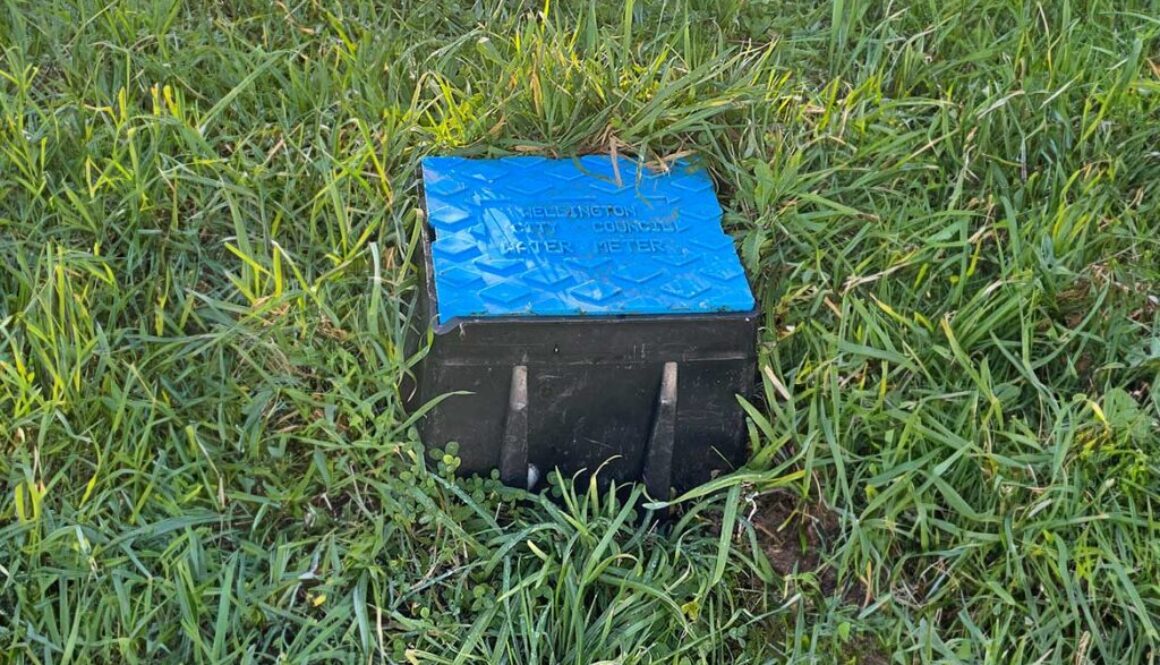
Water Meters Save Water
Fitting a water meter will give you the incentive to reduce your water consumption as you will get a bill for just the water you consume. If you are not a big water user this should be less than the standard charge for water. What gets measured gets managed.
Water-saving tips often save hot water and energy also. If you consume water in small quantities, then we recommend you get a water meter. With the help of a water meter, you will only pay for the water consumed and not at the standard rate.
If we can save water we can reduce pipe sizes, reduce treatment costs, reduce the energy to pump it and at the other end treat it after use.
Tips to Save Water
Run your dishwasher only when it’s full
Turn your taps off properly and repair dripping taps
Store drinking water in the fridge instead of running the tap cold.
Fit a stormwater collection tank. We have one on special, 200 litres emergency tank fitted to an adjacent downpipe.
Connect the stormwater collection tank to the toilet cisterns, and washing machine.
Connect the stormwater collection tank to garden hose taps.
Fit a water-saving shower rose and no it does not have to mean it dribbles out, the volume is less but the pressure is the same.
Make sure the hot water cylinder is not overflowing water.
Check for leaking piping under the house.
Run the washing machine on cold. Sometimes you will need to run it on hot to dissolve soap build-up.
Lower your water pressure by fitting a limiting valve.
Fit water flow controllers to some taps like in basins.
Make the kids use a timer when in the shower set to 5 minutes.
Turn taps off while you shave, and brush your teeth.Save Water and Save Energy.
Electricity Generation
The tipping point has passed solar panels, which generate power cheaper than power companies and let’s not forget any power generated does not incur GST or line charges if you have disconnected from the grid. If your power use is small this is a game-changer. Recently, we moved a boatshed from electrical to solar power system. No more line charges and no more power bills. Solar power systems are becoming a better and sustainable electricity alternatives.
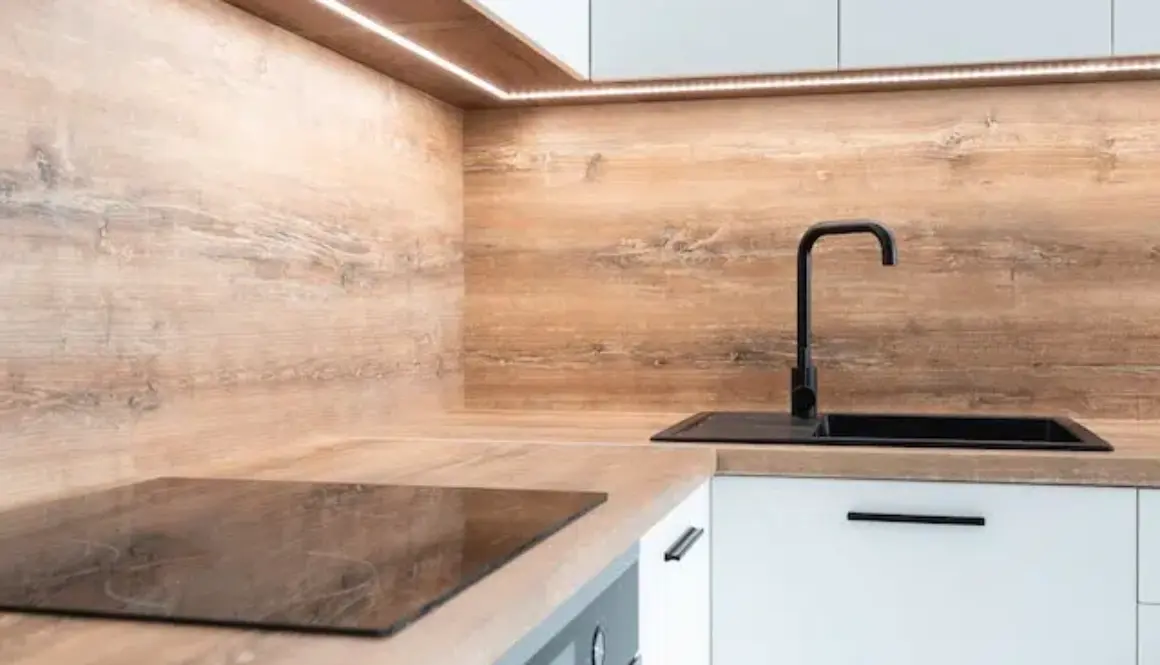
Switching from gas to electric systems for cooking, heating, and water heating is not just practical. Today, where the consequences of our energy consumption are increasingly evident, making the shift from gas to electric carries significant environmental benefits. It’s important that this is not a one-size-fits-all solution, but it comprises of a series of meticulous steps and considerations.
Choosing electric over gas is a way to minimize your environmental impact. Each facet of this transition, whether it involves replacing gas stoves with energy-efficient induction hobs, updating gas-powered water heaters with electric alternatives, or opting for electric heat pumps for home heating, plays a vital role in this collective effort.
Replacing gas cooktops with electric ones, such as induction hobs, often necessitates significant electrical upgrades. This may involve running a larger capacity electrical cable from the fuse box to the new hob location. The associated costs can include opening walls, plastering, and painting, especially if there is no existing cable capable of supporting the required amperage. Additionally, a new fuse on the fuse board may be required. In some cases, an electrician may need to assess the entire building’s wiring to ensure it can handle the increased electrical load.
Transitioning from Gas Water Heating to Electric
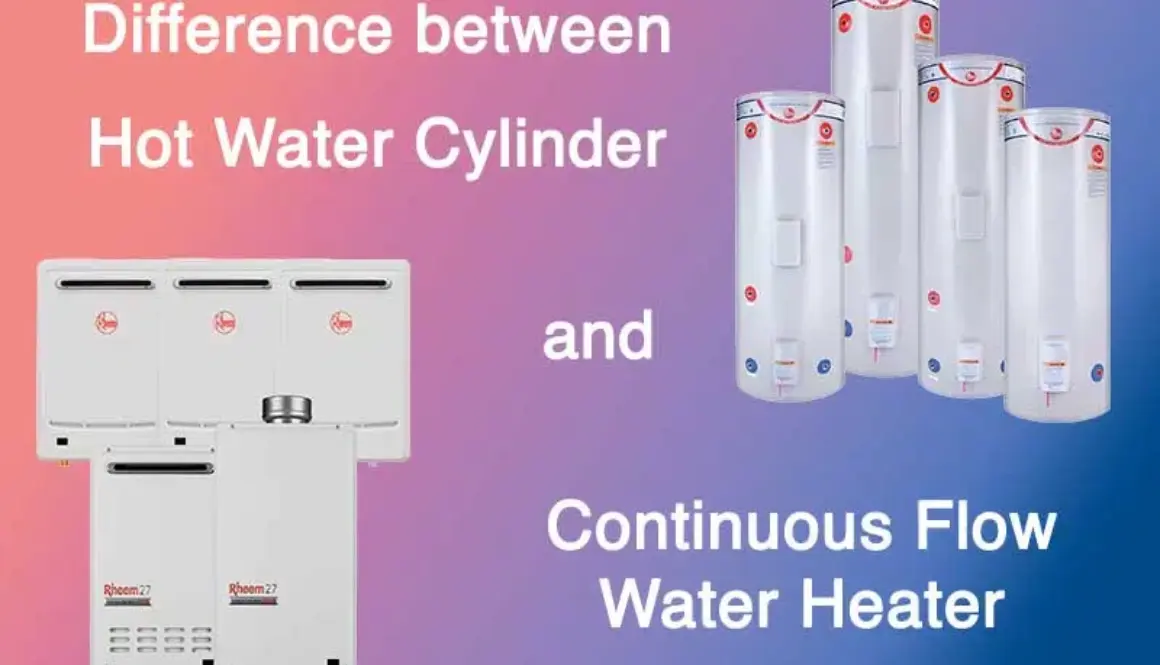
If you currently use a gas continuous flow water heater, you have the option of installing an electric water heater, either of the storage type or a heat pump water heater. This switch also necessitates running a new power cable to the fuse board and adding a new fuse.
Changing from Gas Home Heating to Electric
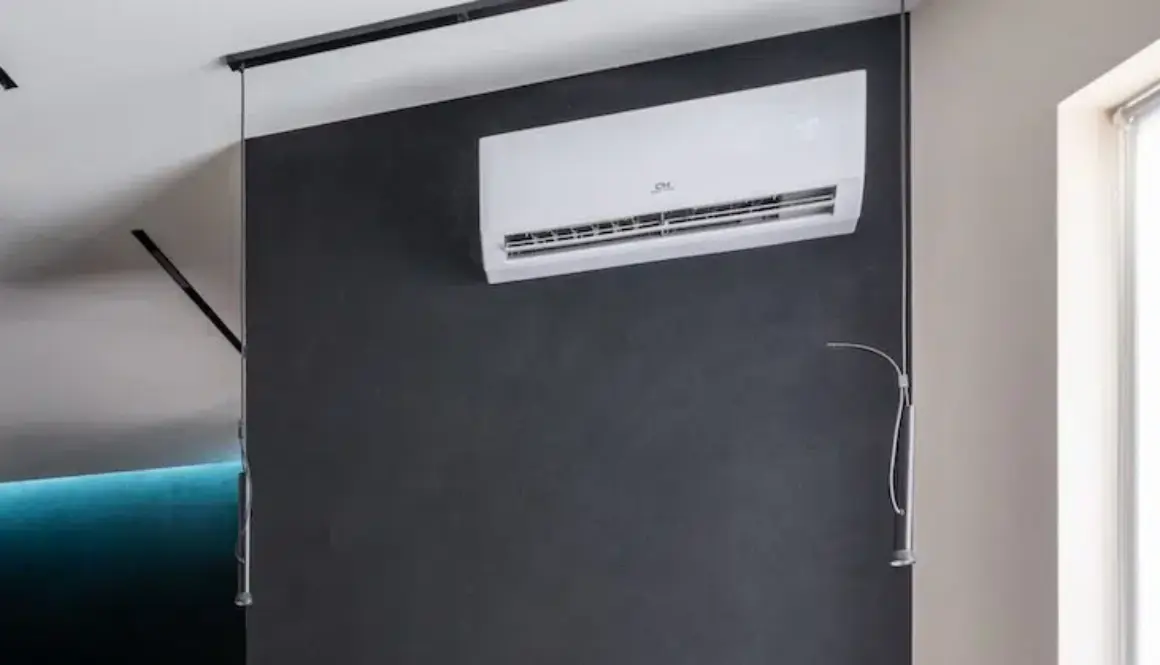
When transitioning from gas home heating, which can encompass various systems like gas fires, panel heaters, or gas central heating, many opt for heat pump heating. This change introduces an additional load to the electrical system, requiring the addition of another fuse to the electrical board.
Commonly, heat pumps are installed in living spaces like the lounge or family room, while oil heaters may continue to be used in bedrooms.
Download Gas to Electric Free Comparison Chart
Get a better understanding of why you should switch from electric to Gas. Helping you make an informed decision about switching to Gas from electric in Wellington.
Note: The information in the chart is informative and based on the data we had and is only for advise.
At Southern, we understand the frustration that comes with unreliable tradespeople who don’t keep their promises. This is why we make it our top priority to always keep our promises and show up when we say we will. With almost 40 years of experience in the plumbing industry, you can trust that your job will be done by a professional plumber who has the skills and knowledge to get the job done right.
One of the key differences that sets Southern apart from other Wellington tradies is our commitment to timely and efficient service. We know that your time is valuable, which is why we make it a point to show up on time. This is our guarantee to you, and it shows our commitment to providing exceptional plumbing service.
We believe that reliable and trustworthy service is the key to customer satisfaction, which is why we strive to always keep our promises and show up on time. With our professional plumbers, you can trust that your plumbing needs will be taken care of quickly and efficiently, so you can get back to your daily routine without any interruptions.
Call us to get your electric upgrade done today – 0800 484 353.
24/7 Emergency Services Across Wellington, Kapiti Coast and more suburbs
24/7 emergency plumbing services cater to situations that demand immediate attention. Plumbing emergencies can occur at any time, often catching individuals off guard. These emergencies include scenarios such as burst pipes, sewage backups, water leaks, clogged drains, malfunctioning water heaters, or overflowing toilets. When faced with such critical situations, it is crucial to have access to reliable and responsive plumbing services available round the clock. The availability of 24/7 emergency plumbing services ensures that skilled professionals can swiftly respond to urgent requests and provide prompt solutions to mitigate the impact of plumbing emergencies. Timely intervention in these situations can prevent further damage to the property, protect personal belongings, and restore essential services such as water supply and drainage. The expertise of emergency plumbers lies in their ability to quickly diagnose the issue, implement temporary fixes if required, and subsequently carry out comprehensive repairs to restore the plumbing system to optimal functionality.
As local Wellington gasfitters and plumbers, we are committed to our customers’ complete satisfaction and offering them the best reliable product. We stand behind our work with our unique guarantee. We have more than 40 years of experience in the industry. Our team works fast and efficiently to minimise downtime and inconvenience, so you can get back to your life.
Call 0800 484 353 today to schedule an appointment with our team.
Take steps toward a more sustainable future.
Don’t miss out on potential savings! Contact us now to assess your home’s transition to electric heating and cooking.
Renovating your kitchen is an exciting venture, but it often comes with a hefty price tag. However, you don’t have to break the bank to give your kitchen a fresh, new look. In this blog post, we’ll explore some budget-friendly kitchen upgrades tailored for Wellington homes. Whether you reside in Auckland, Wellington, or anywhere in between, these tips will help you transform your kitchen without emptying your wallet.
Paint it Right:
One of the most cost-effective ways to revamp your kitchen is by giving it a fresh coat of paint. Choose light, neutral colors to create an open and inviting space. Light blues, soft grays, or warm beige hues work well in New Zealand kitchens, creating a timeless and airy atmosphere.
Upgrade Your Hardware:
Replacing cabinet handles and knobs can make a significant difference in your kitchen’s appearance. Opt for sleek, modern hardware or vintage-style pieces, depending on your kitchen’s aesthetic. This simple switch can instantly modernize the space.
Open Shelving:
Ditching upper cabinets in favor of open shelving is not only trendy but also budget-friendly. You can find affordable shelving units or even repurpose existing ones. Display your dishes, glassware, and cookware for an open and personalized feel.
Install Backsplash:
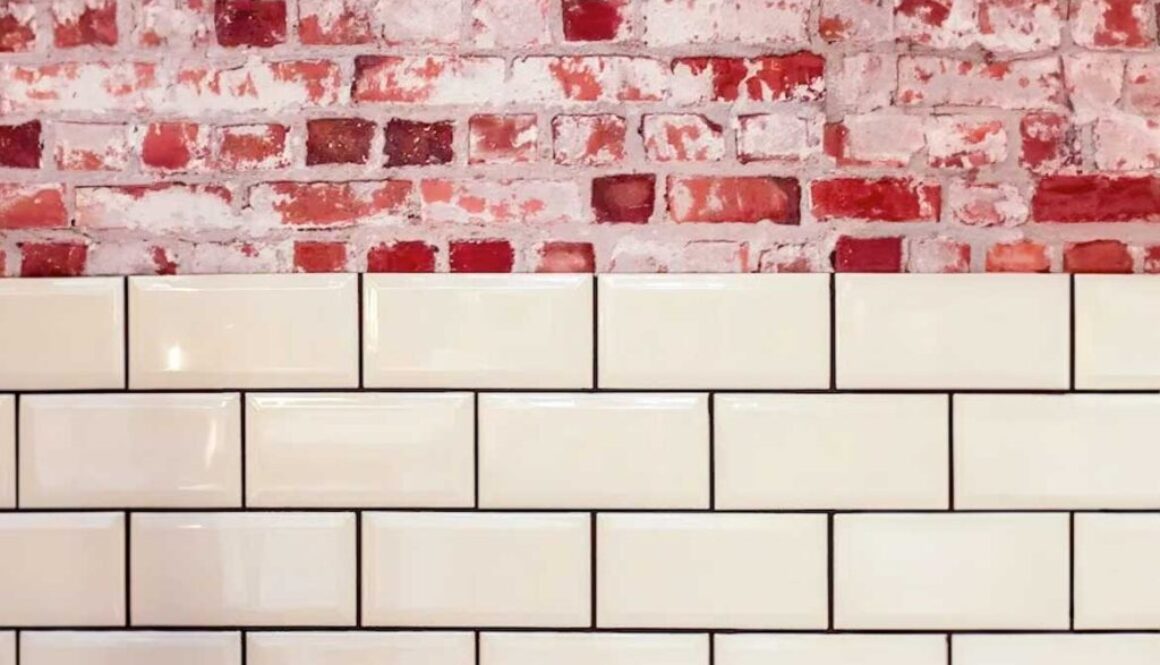
Installing a new backsplash can transform your kitchen’s look. Choose peel-and-stick backsplash tiles for an easy, budget-friendly DIY project. These come in various designs, including subway tile and mosaic patterns.
Vinyl Flooring:
If your kitchen flooring is outdated or worn, consider vinyl flooring as a cost-effective option. It’s durable, easy to clean, and comes in various styles that mimic more expensive materials like hardwood or stone.
Energy-Efficient Lighting:
Swap out old, energy-draining light fixtures with energy-efficient LED options. These not only save you money on electricity bills but also provide excellent lighting for your kitchen tasks.
Revamp Cabinets with Paint or Refacing:
If your cabinets are in good structural condition, consider painting or refacing them instead of replacing. This can give your kitchen a whole new look at a fraction of the cost.
Thrift Store Finds:
Explore local thrift stores and secondhand shops for unique kitchen decor and accessories. You might stumble upon vintage cookware, decorative plates, or quirky items that add character to your kitchen.
New Zealand-Made Products:
Support local businesses and find affordable kitchen upgrades made in New Zealand. You can often find quality, budget-friendly options that are both stylish and sustainable.
Smart Organizational Solutions:
Invest in affordable drawer dividers, pull-out shelves, and other organizational tools to make the most of your kitchen’s storage space. A well-organized kitchen can feel brand new.
Renovating your kitchen on a budget in Wellington is entirely achievable with some creativity and resourcefulness. By focusing on cost-effective upgrades like paint, hardware, and thrifty finds, you can breathe new life into your kitchen without draining your savings. Remember that small changes can make a big impact, and with these budget-friendly ideas, you can enjoy a fresh and updated kitchen in your Kiwi home. Happy renovating!
Southern is your trusted partner for a seamless and successful kitchen upgrade in Wellington. We have experience and expertise of more than 40 years in Wellington. From installing energy-efficient fixtures to handling kitchen appliance connections, our skilled team understands the unique challenges and requirements of kitchen renovations.
Whether you are upgrading your sink, tiling your kitchen, or after a new kitchen, our team ensures that your kitchen upgrade is completed efficiently. Count on us to provide the essential support that guarantees your new kitchen not only looks fantastic but also works effortlessly, making it a functional and enjoyable space for you and your family. Get in touch with us at 0800 484 353.
Water is an essential resource in our daily lives, and it’s important to know how to turn off the water supply in your house. You might want to turn off water for maintenance, emergencies, or conserving water. Due to its unusual climate, water conservation is especially important in New Zealand. Learning to control your water supply and how to shut-off valve is a valuable skill. In this blog post, we will guide you through the steps to turn off your water in your house in Wellington, ensuring you’re prepared for any situation.
Step 1: Locate Your Main Water Shut-Off Valve in Wellington
The first and most critical step is to find your main water shut-off valve. In most Wellington homes, this valve is typically located near the point where the water supply line enters your property. Common places to look include:
Basement:
If you have a basement, check near the water meter or where the main water line enters the building.
Crawl Space:
For homes without a basement, the shut-off valve may be in a crawl space beneath your house.
Outside:
In some cases, especially in older homes, the valve may be located outside your house, often near the street.
If you’re having trouble locating the valve, consider consulting your property’s plans or contacting your local water provider for assistance.
Step 2: Turn Off the Main Water Supply
Once you’ve found the main shut-off valve, follow these steps to turn off your water supply:
Use the Appropriate Tool:
The shut-off valve may require a wrench or a specialized tool. Make sure you have the right tool in hand.
Turn the Valve Clockwise:
To shut off the water supply, turn the valve clockwise (right) until it is fully closed. You may need to turn it several times to completely stop the water flow.
Test Faucets:
After closing the valve, test a faucet inside your house to ensure that the water supply has been successfully turned off. If no water flows, you’ve successfully shut off the water.
When you need to turn the water back on, simply follow these steps:
Turn the Valve Counter-Clockwise: Using the same tool, turn the valve counter-clockwise (left) until it is fully open.
Test Faucets: After opening the valve, run a faucet to confirm that the water supply has been restored.
Emergency Situations
Knowing how to turn off your water supply is essential during emergencies, such as a burst pipe or a severe leak. In such cases, remember these important points:
Act Quickly:
In emergencies, time is of the essence. Locate and close the main shut-off valve as soon as possible to minimize water damage.
Contact Professionals:
After turning off the water, contact a plumber or relevant professionals to assess and repair the issue.
Being able to turn off your water supply is a valuable skill for homeowners in Wellington. This will help you be prepared for emergencies. These steps will help you control your water supply and respond to different situations with confidence. Remember, it’s a good idea to practice turning off and on your main shut-off valve periodically to ensure it functions correctly when you need it most.
Whether it’s a burst pipe, a stubborn clog, or any other plumbing crisis, Southern has the expertise and dedication to provide immediate assistance and restore your peace of mind. Your plumbing emergency is our priority, so reach out now for prompt and reliable service.
As we step into 2024, the world of interior design continues to evolve, and the bathroom is no exception. This year, bathroom tile design is taking center stage with innovative and stylish trends that are sure to transform your space. Whether you’re planning a renovation or just want to give your bathroom a fresh look, here are the top trends in bathroom tile design for 2024.
Top Bathroom Tile Trends for 2024
Large-Format Tiles
In 2024, bigger is better when it comes to bathroom tiles. Large-format tiles, often measuring 24 inches or more, are gaining popularity. These tiles create a sense of spaciousness, reduce grout lines, and give your bathroom a sleek, contemporary appearance. Opt for marble-look porcelain or concrete-inspired tiles for a modern touch.
Terrazzo Tiles
Terrazzo, a composite material consisting of chips of marble, quartz, granite, or glass set in concrete, is making a resurgence in bathroom tile design. Its speckled appearance adds a touch of nostalgia and a dash of modernity to your bathroom. You can find terrazzo tiles in various colour combinations, making it easy to match your bathroom’s colour scheme.
Sustainable Materials
Sustainability is a top priority in 2024, and bathroom tile design is no exception. Tiles made from recycled materials, such as glass or reclaimed wood, are gaining popularity. Additionally, eco-friendly manufacturing processes are becoming more prevalent, making it easier to choose tiles that align with your green values.
Geometric Patterns
Geometric patterns are taking over bathroom walls and floors. Hexagons, chevrons, and herringbone patterns are all the rage. These intricate designs can make your bathroom look visually striking while adding a contemporary touch.
Mixing different tile textures and finishes within the same space is an emerging trend. For example, you can combine glossy and matte tiles to create visual interest. Pairing textured tiles with smooth ones can add depth and dimension to your bathroom walls and floors.
Artisanal and Handcrafted Tiles
Handcrafted tiles with unique patterns, textures, and imperfections are making a comeback in bathroom design. These artisanal tiles add character and a sense of authenticity to your bathroom. From Moroccan-inspired motifs to hand-painted ceramic tiles, the possibilities for creativity are endless.
Bold Colours
2024 is the year to be bold with colour choices. Vibrant, saturated hues like deep blues, emerald greens, and rich reds are becoming more prevalent in bathroom tile design. These bold colours can add drama and personality to your space, especially when used as accent tiles or in small doses.
Metallic Finishes
Metallic finishes, such as brushed gold, rose gold, and blackened brass, are gaining popularity as accents in bathroom tile design. These finishes add a touch of luxury and glamour to your space, whether in the form of border tiles, fixtures, or decorative elements.
In 2024, bathroom tile design is all about embracing creativity, sustainability, and individuality. Whether you prefer the sleek look of large-format tiles, the charm of artisanal craftsmanship, or the boldness of saturated colours, there’s a trend that can transform your bathroom into a stylish and welcoming oasis. Keep these top trends in mind as you plan your next bathroom renovation or update, and create a space that reflects your unique taste and personality.
As the world continues to shift towards sustainable and eco-friendly technologies, the heating industry has embraced a revolutionary solution known as heat pump warm air central heating. Combining energy efficiency, environmental consciousness, and enhanced home comfort, this cutting-edge technology is reshaping the way we think about heating our Wellington homes.
Understanding Heat Pump Warm Air Central Heating
Heat pump warm air central heating is a heating system that utilises a heat pump to extract heat from the outdoor air and distribute it throughout the home via warm air ducts. This technology follows the principles of thermodynamics and uses a refrigerant cycle to transfer heat from one place to another, similar to how a refrigerator works but in reverse.
The Process: How Heat Pump Warm Air Central Heating
Air Source Heat Pump:
The heart of this system is the air source heat pump. The heat pump contains a refrigerant that circulates between two main units: the indoor evaporator coil and the outdoor condenser coil. During the heating mode, the heat pump extracts heat from the outdoor air and transfers it to the indoor evaporator coil.
Warm Air Distribution:
Once the heat is extracted, the heat pump’s blower fan circulates the warmed air through a series of ducts strategically placed throughout the home. These ducts supply the heat to various rooms, ensuring a consistent and comfortable temperature throughout the entire house.
Complementary Components:
The system may also include supplementary heating elements, such as electric heating coils, to provide additional warmth during extremely cold weather conditions when the heat pump’s efficiency might decrease.
Benefits of Heat Pump Warm Air Central
Energy Efficiency:
Heat pump warm air central heating is remarkably energy-efficient. By utilising ambient heat from the outdoor air, the system consumes significantly less electricity compared to traditional electric heating systems. Studies have shown that this technology can reduce heating energy consumption by up to 50% compared to conventional heating systems.
Environmentally Friendly:
Since heat pumps extract heat from the environment, they do not rely on burning fossil fuels, which significantly reduces greenhouse gas emissions and contributes to combating climate change. By adopting heat pump warm air central heating, homeowners can reduce their carbon footprint and contribute to a more sustainable future.
All-in-One Solution:
Heat pump warm air central heating not only provides heating but can also function as an air conditioner during hot weather. By reversing the refrigerant cycle, the system can absorb heat from indoor air and release it outside, providing a year-round comfort solution.
Cost Savings:
Although the initial installation cost of a heat pump warm air central heating system might be higher than traditional systems, the long-term cost savings due to reduced energy consumption can outweigh the upfront investment. Additionally, some regions offer incentives and rebates to promote the adoption of energy-efficient technologies.
Heat pump warm air central heating represents a pivotal step towards sustainable, energy-efficient, and environmentally conscious home heating solutions. By harnessing the power of the surrounding air, this technology not only ensures a comfortable living environment for homeowners but also contributes to reducing carbon emissions and preserving our planet for future generations. As advancements in renewable energy and heating technologies continue to evolve, embracing heat pump warm air central heating is a commendable stride towards a greener and more efficient future.
Maintaining a solid and watertight roof is crucial for the integrity of your home or building. However, over time, roofs can develop issues that require attention. When faced with roofing problems, house owners or property owners often find themselves contemplating whether to do a roof repair or invest in a complete roof replacement.
Key factors to consider when deciding between roof repair and replacement:
Assessing the Roof’s Condition:
The first step in determining whether to repair or replace your roof is to assess its overall condition. Inspect the roof for signs of damage, such as missing or broken shingles, leaks, sagging, or extensive wear and tear. Minor issues like isolated leaks or a few damaged shingles can often be resolved with repairs, whereas severe damage across a large area may necessitate a full roof replacement.
Consider Age and Longevity:
The age of your roof plays a significant role in the repair versus replacement decision. Most roofs have a lifespan of 20 to 25 years, depending on the materials used. If your roof is approaching or has exceeded its expected lifespan, it may be more cost-effective in the long run to replace it entirely rather than investing in repeated repairs. Additionally, consider the future plans for your property. If you plan to stay for many years, a replacement could provide you with a fresh and durable roof.
Extent of Damage:
The extent of the damage is a crucial factor in determining whether repairs are sufficient or if a replacement is necessary. If the damage is localized to a specific area and the majority of the roof is still in good condition, a targeted repair may be a viable option. On the other hand, if the damage is widespread, recurring, or indicative of underlying structural issues, a replacement may be the more prudent choice to ensure long-term stability and prevent further problems.
Cost Analysis:
Finances often play a significant role in the decision-making process. Compare the estimated costs of repair versus replacement, taking into account the extent of the required work. While repairs may seem more affordable in the short term, recurring repairs over time can accumulate and exceed the cost of a full replacement. Consider the long-term cost-effectiveness and potential savings of a new roof, which typically comes with warranties and increased energy efficiency.
Energy Efficiency and Upgrades:
Roof replacements present an opportunity to enhance energy efficiency and incorporate upgrades. Newer roofing materials offer better insulation, improved ventilation systems, and environmentally friendly options such as solar panels. Evaluate whether the energy efficiency gains and potential savings on utility bills justify the investment in a replacement.
Consult with Roofing Professionals:
When making a decision as crucial as roof repair or replacement, it is advisable to consult with professional roofer. Experienced contractors can assess your roof’s condition, provide expert advice, and offer cost estimates for repairs and replacements. Their expertise can help you make an informed decision based on your specific circumstances and goals.
Conclusion:
Deciding between roof repair and replacement requires careful consideration of several factors, including the roof’s condition, age, extent of damage, cost analysis, and potential energy efficiency upgrades. By assessing these aspects and seeking professional advice, you can make an informed choice that ensures the longevity, stability, and protection of your property. Remember, a well-maintained roof is an investment in the value and safety of your home or building.
If you are looking for a professional roofer to assess your Wellington roof, then get in touch with our team at 0800 484 353. Southern offers wide range of roofing services across Wellington, Kapiti, Lower Hutt and other surburbs. You can also call Southern for any emergency roofing services.
If you’re looking to keep your garden healthy and thriving, installing an irrigation system can be a game-changer. Not only will it save you time and effort, but it can also ensure that your plants are getting the right amount of water they need to flourish. Our expert team installs different garden irrigation systems in Wellington homes. You can discuss different garden irrigation system installation options with our team and get started. There are a lot of benefits of a garden irrigation system and having one on your property is worth the investment.
Types of Wellington Garden Irrigation Systems
Are you looking for a hot water upgrade to remove the hot water cylinder in your Wellington home? Call our local hot water cylinder guy that specialises in hot water cylinder replacement. We offer hot water cylinder replacement and removal for heat pumps, and electric, solar, gas, and continuous flow systems.
We have experience of almost 40 years and offer hot water cylinder removal of any old HWC and upgrade it to a modern hot water cylinder system. We are local hot water cylinder installers servicing the Wellington region. We are also available for heat pump water heater replacement and continuous flow replacement services.
Our expert team can also offer information on replacing hot water cylinder with combi boiler, or replacing hot water cylinder with gas, or change hot water cylinders, or hot water cylinder element replacement, hot water cylinder immersion heater replacement, and more hot water replacement services across Wellington. Get in touch with us today on 0800 484 353 to know the hot water replacement cost in Wellington.
Why Choose a Garden Irrigation System?
Saves Time and Effort
Watering your garden by hand can be a time-consuming and physically demanding task, especially if you have a large garden. With a garden irrigation system, you can automate the watering process and free up your time to focus on other gardening tasks or simply relax and enjoy your garden.
Conserves Water
A garden irrigation system can help you conserve water by delivering the right amount of water to your plants at the right time. This is especially important in areas with water restrictions or during periods of drought when water is scarce.
Promotes Healthy Plants
Plants need consistent and adequate amounts of water to thrive. With a garden irrigation system, you can ensure that your plants are getting the water they need to grow strong and healthy.
Even Water Distribution
A garden irrigation system can deliver water evenly to your plants, ensuring that they all receive the same amount of water. This is especially important for gardens with plants that have different watering needs.
Prevents Water Damage
Overwatering can be just as harmful to plants as underwatering. With a garden irrigation system, you can avoid the risk of water damage to your plants by delivering water in controlled amounts.
Increases Property Value
A well-maintained garden with a garden irrigation system can add value to your property. A beautiful garden can also enhance your quality of life and provide a peaceful and relaxing retreat.
Types of Storage Cylinders
Mains Pressure or High Pressure
Provides you with more options for new tapware. Has a higher pressure water in the shower and reduces the time it takes for hot water to get to the taps. Although more hot water is usually used.
Low Pressure
Want to help save the planet and save money while doing it? Changing to a low-pressure cylinder decreases the amount of water your household is using, therefore, saving you money while saving water resources.
Smart tanks
Smart tanks determine how you use hot water and only heat the water just before you need it. Smart tanks reduce heat loss by keeping water hot when you are not using it.
Why Hire Us?
You can buy from several sites on the web but where will they be when it goes wrong? We have a 24/7 business and stand by what we sell.
We are local plumbers in Wellington near you.
We can recommend you water cylinder right for you.
We have experience of more 40 years.
We are a local family-run business.
Service jobs – We service what we sell and all the stuff you bought from someone else too.
We’re available 24/7 – Call us on 0800 484 353. You will reach us even at the oddest time of the day, and we can help you.
Call us now on 0800 484 353 for more information on hot water cylinders Wellington services. Do not forget to ask about the new Smart Cylinders that can cut your heating costs.
For information on under bench water heaters for sinks, click here. In addition to the above services, we also offer hot water cylinder repairs across Wellington. Call one of our certified gas fitters to repair your old or new hot water cylinder.
Call Us to install garden irrigration system in your Wellington home today!
Gas Safety Certificates for Boats, Trailers, Caravans, Food Trucks, Yachts, Buses, Motor Homes and Tiny Homes
This process is covered by a New Zealand standard for Gas Installations. It runs to hundreds of pages of very technical information. It’s a heavy read and usually can take hours of research to commence an installation specially if its unusual. And there are plenty of unusual tiny homes, appliances and food trucks or carts.
The law was changed a while ago where previously anyone could do gas installations using under 15kg gas bottles and so not many were done by a gasfitter, and so did not comply with any standard. If you have one of these installations then it is unlikely to comply.
If you are requesting a Gas Certification or Verification or Safety Certificate then we need to inspect the installation and go through a long checklist of checks.
The things we consider in broad terms, for example are:
Type of pipe used, and sizing
Position of the bottle and how it is secured and whether it is ventilated and drained.
The size of vents and drains for the enclosure.
The location of piping, what is in the storage cupboard.
Regulator type used and where it vents to.
Jointing materials.
Appliance positions relative to combustibles.
Gimballing.
Appliance security.
Fluing in the case of caravan water heating and space heating. Materials used. Sizing.
Where and how the piping is run.
Flue termination to lots of things.
Appliance approval on the database of appliances with energy safety.
Use of flexible hoses and how they are run through the boat and where they are located and on what appliances.
Ventilation of spaces where people are sleeping.
Isolation valves at appliances.
Condensate drains.
Gas leak sensors and location.
Solenoids for controlling gas entering the boat or mobile building.
Solenoid and gas leak controllers’ location and wiring and how that is to be run.
Labelling and warning signs. Warning sign location.
With boats it is not possible to run the piping outside the boat for obvious reasons, and due to the hull curvature, and storage spaces, how will the piping be run while maintaining storage capacity?
In many cases getting piping into these spaces is difficult and trying to manoeuvre pipes to their new location is very time-consuming and requires discussion on how this is to be done. There is a limit of reason as to how neat and tidy this can be done in a visible location.
If it’s a boat then we need access to the bilge which is the lowest part of that boat to see if there is a gas sensor there.
Bottle locations need to be outside the hull or cabin in a storage locker specifically for the bottle and nothing else.
Tiny Homes and Caravans Wellington Services
Tiny Homes and Caravans are classified as buildings under the Building Act. Yes, even if it has wheels.
The Building Act has reference to gas codes and regulations as well. This page does not deal with plumbing or drainage to mobile buildings.
Step 1:
Service Call to identify what is compliant if anything. We have a standard fee for this.
We note the faults on the invoice.
Warning – there is a possibility we cap off your installation if it is unsafe. This means we think you are about to catch something on fire or similar, or there is a carbon monoxide discharge, or there is some other unsafe thing that is likely to cause harm to persons or the boat of vehicle. Not just a compliance issue.
Step 2:
Prepare a proposal to replace any unsafe parts. It is not uncommon to have to replace the whole installation keeping the bottles sometimes. There are some installations we can save quite a bit and it is just the piping and valves that need updating.
Risks
When you think of the bottles, piping, and appliances bouncing up and down on roads and over potholes and boats falling off waves 5m high, the gasfitting takes a real hammering and needs to be checked. We recommend every two years. The installation has to be robust to handle all this.
Bring the mobile item to us, or we go to you. There is a limit to where we can do work. Having a technician travelling miles into the wilderness is usually not viable.
Installation
Installations take a lot longer than you think as there is a wide variety of fittings needed for different situations and it is not uncommon to take a day just to gather all the parts together and make things work. It is not a standard one size fits all mobile buildings that are complex and time-consuming as each one is unique.
We do have standard regulators, sensors, labels, controllers, solenoid valves, and connections. As each boat has a different layout getting fittings to deal with the cupboards and frames and tight spaces.
A pressure test is carried out at the end of each project and then a Gas Certificate is issued and signed by a certifier. Certifiers will not sign off unsafe installations or leave them running.
The plumbing and gasfitting industry is responsible for installing appliances that use a lot of energy for space heating, cooking and water heating. Many commercial plumbers and gasfitters supply gas to industrial processes for example fruit processing, tanneries, meat works and many other industrial processes.
It is going to be a big task to get rid of gas as there are industrial processes, and enormous heating loads commercially and domestically. New Zealand would have to generate a lot more electricity to offset this gas and coal load.
As the world moves towards cleaner and more sustainable energy sources, the question arises: Is it feasible to eliminate gas from the country’s energy mix? This article explores the complexities associated with reducing gas usage in New Zealand, considering the industrial processes, heating demands, and existing infrastructure. It is going to be a big task to get rid of gas as there are industrial processes, and enormous heating loads commercially and domestically. New Zealand would have to generate a lot more electricity to offset this gas and coal load. It also discusses potential alternatives such as heat pumps, bio gas, pellet burners, and hydrogen, while acknowledging the practical and economic considerations involved.
Coal is easier to get rid of. Gas not so much as it is delivered to the door very efficiently through piping.
Heat pumps have the best of intentions but it is quite difficult to provide heating to institutions like rest homes and hospitals with electricity. The capital cost is also huge and the buildings have been designed from scratch with gas boilers and radiators.
Home owners can install efficient heat pumps, say one in the lounge and one in the hall but what about the bedrooms.
Installing heat pump central heating is expensive. Using oil heaters or similar uses electricity at a rate more than twice as expensive as gas.
Using heat pumps for water heating is a good option but again it takes a while to offset the more expensive water heaters with the cheaper hot water.
Commercially the most likely options are a conversion to pellet burners or bio gas. Bio gas is the decomposition of wood or foliage or food waste which gives off methane and can be put down the same pipe as natural gas. So this is probably the most viable option commercially. The domestic market which does not use much gas will piggy back of the commercial load. The bio gas option also means there is little change to existing infrastructure compared to conversion to electricity.
Bio gas is also a good option because if that wood waste was to break down in the environment it would give off methane which is worse than CO2 for the environment.
Most coal boilers can also be converted to natural gas or bio gas or pellet burners in some way.
The big driver here will be the cost of the energy and the gas infrastructure in New Zealand is huge and already in place.
New Zealand has huge amounts of green waste from forestry and other endeavours which is free to a good home so to speak.
Bio gas is big in other countries that do not have natural gas. Many novel solutions will emerge.
As buildings have their current heating come to the end of its life building owners will convert to cheaper heating solutions. As coal becomes more expensive this will drive conversions. Growing trees is also great for employment and removing CO2 from the atmosphere and it attracts carbon credits. New Zealand needs to plant a lot more trees at every opportunity.
So what about hydrogen?
This is not such a good option unless someone can come up with a cheap way of generating it. Then it can also be put down the gas pipe.
Gas appliance manufacturers are already on board and are making changes to use hydrogen either added to methane or completely.
So if you think gas is going it wont be in our lifetimes. Its a bit hard using an electric barbie at the beach and the Aussies have plenty of LPG.