
Gas vs Electric
There are many gas users that are doing the Gas vs Electric comparison at the moment due to several items in the media regarding gas running out.
Before that it was energy users wanting to be green as it has been claimed CO2 caused climate change. This is a controversial claim with climate experts.
The other reason is the increase in gas energy charges, and gas line charges.
The Gas Vs Electric debate is a complex one depending on each energy demand situation.
Here at Southern we don’t mind which way it goes as we do both gas and electric water and space heating.
The plumbing, gas fitting and electrical industry is responsible for installing a significant percentage of appliances that use a large amount of the energy used. 30% for water heating and in winter the load jumps about half again for space heating. For the Gas Vs Electric debate read on.
If you don’t like reading go to the Summary at the end
for a summary on the Gas Vs Electric debate.
Is Gas Really Running Out – Some Facts
Domestic use of gas is about 1% of the commercial load. It wont take much to provide that load. The options are topping up with Hydrogen, and Biogas. They already have a Biogas pilot plant for digesting food scraps. Crop scraps like forestry slash could be used also.
Gas Is Short at the Moment
Gas is short at the moment so the Methanx plant sold their capacity to the power generation users. In the future we could dump power generation as a use for natural gas if we are further short, and just use natural gas, for domestic use and commercial processing, and heating. Eg natural gas is used for processing animal hides, the processing of fruit and vegetables in the cannery industry as a few examples. Natural gas is big in the pulp and paper industry too and they wont be changing any time soon.
We have changed Gases Before
About 45 years ago we moved from coal gas, and manufactured gas, and converted whole cities to Natural gas. We can do the same again.
It is hard to predict the future but there are other options like issuing more licenses to prospect for gas in different locations. Some are quite hopeful. It is unlikely to be a problem in the next 10 years. We are currently discharging methane into the atmosphere from waste biogas. If we captured it all we would not need to drill for gas at all.
Large Hot Water Users – Hair Salons
Large hot water users like Hair dressing salons which can use 100’s of litres of hot water per hour will find it hard to use electricity, or even impossible if they dont have the water storage ability on the premises. A compact gas water heater can deliver 27 litres per minute for hours on end. 27×60 minutes =1620 Litres per hour. The electric water heater would have to be gigantic to match it.
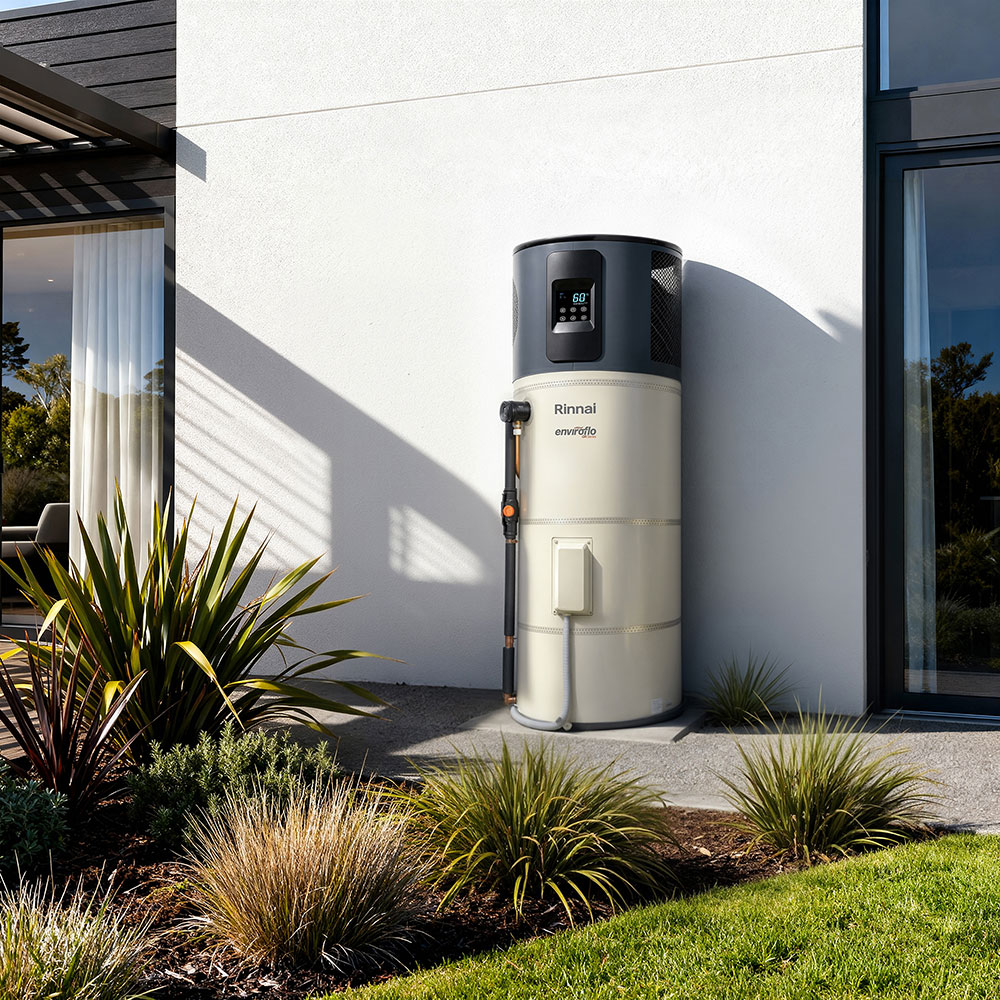
Small salons have a low hot water use and could use a heat pump hot water heater. In the Gas Vs Electric debate it depends on the size of the load as to which way to go. Heating hot water with heat pumps is cheaper than standard electric cylinders.


How Does Gas Compare with Electric on Price
Gas as at Dec 2025 is 17c per kW and electricity is 28c. So if gas is used efficiently with condensing appliances holds its own against electricity on a use bases depending on what its compared to. Eg if compared to a heat pump water heater in summer that is its most competitive comparison. The heat pump beats it on running costs as the heat pump can do 4:1 so about 7c compared to 17c for gas.
If in winter on a very cold day or morning the heat pump may drop to 2:1 so 14c compared to 17c but the gas water heater will not be 100 % efficient so more likely 20c against the heat pump 14c. And the heat pump may be set to heat only at night on the night rate if you have that kind of plan.
So on the Gas Vs Electric comparison electric wins. But the capital cost of a gas installation is $3k vs $12k for electric if you are upgrading from gas to electric at 2025 prices. If its a new house then is only the extra cost of the heat pump water heater say about $5k including the valves and extra piping and labour.
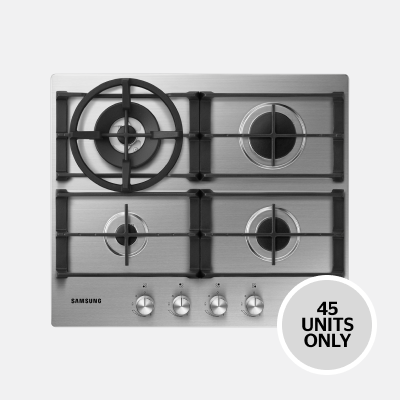
The running cost of a gas hob vs an induction cooktop the gas hob wins but if compared to natural gas if you already have gas as electricity is almost double the price. But not much energy is used with cooking.
Space heating also depends on how its done.
If using a heat pump vs a gas fire that is condensing the heat pump wins depending on how cold it is.
There is something nice about the glow of a gas fire or better a wood fire but efficiency is low and in our busy lives wood fires are time consuming to maintain. But as they say you get warm twice with wood cutting it and stacking it then burning it.
There are homes that are off grid and to do it well wood is in the equation for space heating as in winter its hard to generate power with little sun or wind. They use this wood heat to heat the water as well as the home.
Gas Vs Electric for most users electric wins on operating price but loses on capital cost.
How Does gas compare with Electricity for CO2 Discharge into the Atmosphere
80% of Electricity is renewable ie it is Hydro, Wind, Geothermal or Solar. Solar and wind is increasing. The majority of power is generated with Hydro. But building dams has a high CO2 discharge from pouring concrete. No new dams are likely to be built anytime soon. When we have peak demand it is natural gas, and coal that is turned on. So that means any new electric appliances are actually powered by coal. It will take a while to install enough solar and batteries to get rid of coal. We increased our demand on coal due to more electricity needed. Coal is worse that gas regarding CO2 discharge.
Many new gas appliances have low CO2 emissions with over 93% efficiency. Even electric appliances have a CO2 component due to some of our electricity being generated by burning coal, or gas. More Coal than Gas.
Why did people go gas in the first place
Gas has a large amount of energy in a very small pipe and the appliances are cheap. E.g. A continuous flow gas water heater at 50kW is $2000 compared to a Heat pump water heater at 4 kW at $5000. But the installation of the Heat pump is also more. $7000 to $12,000 compared to $3500 for the gas water heater. 2025 prices.
Another example is a gas hob $1200 installed compared to a electric hob at $2200 installed.
Notice the gas water heater is rated at 50kW compared to the heat pump at 4kW. The gas water heater is much more powerful, and can heat as it goes where as the Heat pump water heater has to store a lot of water in a tank, and keep it hot usually outside. The energy to produce a large heat pump water heater is significantly larger than the gas water heater.
In the Gas Vs Electric debate for heavy energy users Gas wins.
Space Heating is the big problem for electricity
Space heating uses a lot of energy and when its cold energy use roughly doubles.
When the energy demand is high as it is with space heating on a cold day, and there is a large area to heat then the heat pump is going to be large, and push the domestic residence to have enough power available to heat the space. If you have two heat pumps going, the water heater is demanding power, and stove top is going the power to a residence will be at max capacity.
This is the problem New Zealand faces going all electric. Do we have the power lines and generation to do this?
Add electric cars to this equation is not a load issue as they usually charge at night but the cars still need generation capacity. New Zealand will have to invest in solar and wind generation.
What about Central Heating?
Heating generally is the big problem with electricity. Gas boilers are rated at 20 to 35Kw’s doing this with heat pumps is not the same as water heating where energy is stored.
Radiator Central Heating
For radiator central heating, heat pumps struggle to heat water to 55 degrees Celsius as opposed to a gas boiler which heats the water to 70 degrees. So more insulation is needed to prevent heat loss in the building, and radiators need to be bigger, or fan coils need to be used to blow air across a heat exchanger. The size of the heat pump is about 14kW compared to 25kW for gas. Now you see the problem. You only have half the energy and it will take longer to heat the same space. But wait there is more, the gas boiler costs $5,500, the heat pump costs $15,000 for the units. The installation is twice as much too. $20k to $40k for heat pumps.
Although heat pump radiator heating is possible with electricity it has to be specially designed and the heat load minimized by insulating the premises and the use of fan coils ie using a fan to blow air over a heat exchanger to get enough heat into the space.
For the Gas Vs Electric debate its a win to gas but electric is doable but at a considerable cost.
Warm Air Central Heating
The ducts are larger and the heat pump furnaces are bigger and they go outside as opposed to in the ceiling space or under the floor for gas central heating. The existing ducting for gas central heating cannot be used for Heat pump central heating as its not big enough. The duct temperatures are lower so the new ducting needs to move more air.
Comparison prices for Gas Central heating are $15k for gas and $30k for Heat pump.
Re Gas Vs Electric on space heating Gas wins.
Other Reasons for going Electric
If you only have a small use for gas it will still cost the gas line charge for gas hobs, or small gas fires it is more economic to go electric. But you might like cooking with gas so install a 9kg bottle outside. For gas fires you might like the flame effect so upgrade to a 15kg bottle, and for the few times you turn that gas fire on you have that romantic flame effect.
Does my house even have enough power to go all electric?
Heat pump Central Heating 15 Amp
Heat Pump Water heater 15 Amp
Induction Cooker 40 Amp
Computers, lighting
Kitchen appliances 10 Amps
Total Draw if all going 80 Amps
Cable size to the House 60 Amps
So you see we have a problem 80 Amps is bigger than the incoming power cable. Some customers are adding a second phase cable to the house. So that is another line charge. It is unlikely the stove is using all four heating elements and the oven, so its perhaps drawing only 15 Amps. Some customers only have a 40 Amp cable so are locked into an all gas cooker. Now they can have all the other things electrical.
For some customers Gas Vs Electric gas wins as they cannot change to electric as the power cable is too small and the cost to high to change it.
Now Add the Electric Car to the Mix
Electric cars are mostly charged at home, and at night when other power consuming things are not used. Power generation runs 24/7 regardless of using power or not so using power at night is a cheap option on the night rate.
Who knows what the future brings with electric cars and data centres using a lot of power but gas can blend the load.
The Gas Vs Electric debate may change in the future.
Wont my new Induction Hob help save the planet?
Cooking is done at the peak time when heating, and lighting is all turned on and the power generators need to turn on gas and coal generation. Seems odd to think that and electric induction hob is actually powered by coal and gas. But until we get a lot more wind generation coal it is.
On the Gas Vs Electric debate the gas cook top wins when it comes to CO2 issue.
Put the hob on a Gas Bottle to avoid a line charge
We can install a gas hob on a bottle to avoid that gas line charge.
Gas Vs Electric wins here.

Everyone likes to save money and energy. With energy-efficient appliances, you can save a lot of money as well as energy. You must have compared the cost of gas and electricity and thought which one is more cost-effective gas or electricity. For long-term results, you must know the price you pay when installing either of these services and the price you pay in the long run by using them.
Electric
The electric domestic power point can deliver 10 Amps at 230 volts which equal to 2.3 kW maximum output of an electric hot point. So when doing that gas vs electric conversion you may need to factor in new power cables and a fuse box upgrade.
Either way we have you covered.
Call now on 0800 484 353
Gas
Gas can deliver as much as you want to spend on the size of the gas appliance. In order to do the same with electric, you would need to find special appliances and run heavy-duty wiring.
This is why gas water heaters do well because it is possible to have 30kw gas water heater appliances which can heat water very quickly and not have to store hot water.
In some large use cases, you still need to store hot water.
Gas can work out a lot cheaper because instead of taking hours to heat an area gas can do it in a much shorter time and therefore there is a lot less heat loss. And who wants to wait hours to feel warm.
For large energy users re the Gas Vs Electric debate Gas wins.
There are some huge gas users in New Zealand. Large canneries, pulp and paper, tanneries, restaurants, food processing, bakeries. It would cost a lot to shift them to electric. So we will not be going fully electric anytime soon.
See our electric page and offerings
Call us for electrical and gas installation, maintenance, and repair services in Wellington on 0800 484 353.
Summary
Electricity and Heat Pump Advantages
- Electric Heat Pumps are good for small demand small single spaces like an open plan home or business.
- Low hot water demand as in a residence avoids the gas line charge.
- You don’t want a gas line charge.
- You can just spot heat bedrooms with a cheap electric heater.
- Gas Vs Electric Price – when using Heat pumps Electric wins unless it is very cold outside.
- Gas Vs Electric – when capital cost is no object and you want to be seen green Electric heat pump wins.
- Gas Vs Electric – when low CO2 into the atmosphere Electric wins.
- When the power is out the storage tanks will still light but the continuous flow units will not operate.
Gas Advantages
- Great for heating large spaces and different levels
- Almost no limit on energy draw. So big hot water use or heating load is no problem.
- Gas is half the price of electric which offsets the gas line charge for big users.
- The gas stove can have a 9kg bottle. No line charge there.
- Capital cost is low. All gas appliances are cheaper than electric in most cases. E.g. boilers, central heating and water heaters.
- Gas is not so good at heating small spaces unless you have central heating.
- Gas Vs Electric – when big heating loads are needed Gas wins.
- Gas Vs Electric – when low capital cost is needed Gas wins
- Gas Vs Electric – gas heats at full power on very cold days when heat pumps struggle.
- Gas Vs Electric – When the power is out the stove still works. This is a rare event though.