
Bidets and Bidet Seats in Wellington
If you’ve ever travelled to Japan, parts of Europe, or Southeast Asia, you’ve likely encountered a bidet in action. That moment of confusion—followed by appreciation—is something more New Zealanders are experiencing at home as bidets become an increasingly popular bathroom upgrade.
Whether you’re looking to improve your personal hygiene, reduce your household’s toilet paper consumption, or find a more comfortable solution for a health condition like hemorrhoids, this guide covers everything you need to know about bidets in New Zealand. From understanding how a bidet seat works beneath your existing toilet to navigating local plumbing regulations, we’ll walk you through the complete picture.
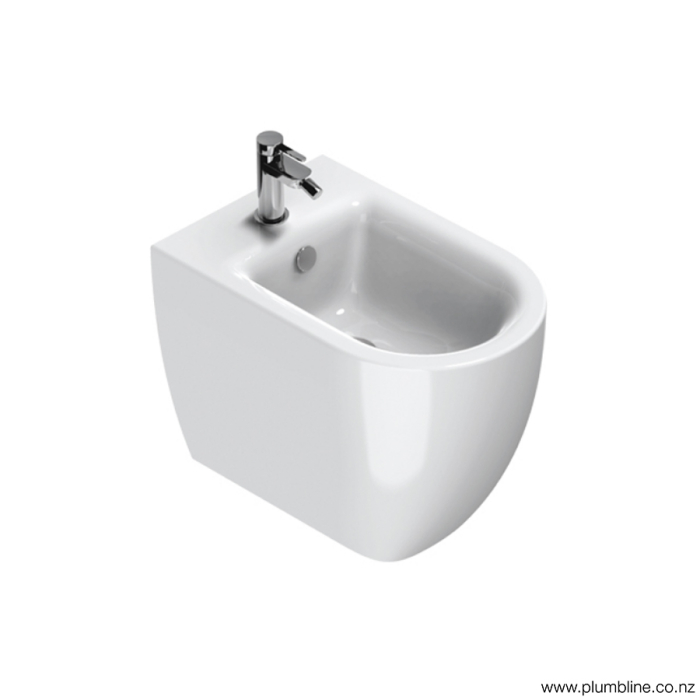
Bidets are of two main types in NZ
European and Asian
European Bidets
European bidets a what most people know often with an above rim tap.
The bidet on the left is a European look model.
Asian Bidets
The Asian models are usually a plastic seat with a sprayer built in to it.
Types of bidets found in New Zealand homes
New Zealand bathrooms typically feature integrated bidet toilet seats and attachment kits rather than the traditional French-style bowls that require separate plumbing and floor space.
Standalone bidets A separate ceramic fixture installed beside the toilet, more common in Europe, Italy, and older luxury homes. Requires extra floor space, dedicated plumbing, and users must move from the toilet to the bidet after use. Rarely seen in new builds in New Zealand.
Electronic bidet seats These replace your existing normal seat and plug into a 230V outlet. They provide heated water, a heated seat, adjustable water pressure, and positionable nozzles. Many include warm air dryers, deodorisers, and night lights. This is the most popular category for NZ homeowners seeking a complete hands free experience.
Non-electric add-on attachments A slim unit installed under the toilet seat, powered only by mains water pressure. Typically offers front and rear wash with a simple dial control. No electricity required, making this a great addition for renters or budget-conscious buyers.
Handheld bidet sprays (“bum guns”) A flexible hose with trigger spray mounted near the toilet. Common in Islamic households and across Asian countries like Indonesia and Malaysia. These must meet NZ backflow prevention requirements and work well for people who want manual control over spray direction.
Warning – the vast majority do not meet NZ health requirements.
Why is this? one of these spray attachments can fall into a blocked toilet and potentially the contents of the blocked toilet be sucked back into the water supply. Hence the need for back flow valves.
Some seats have vacuum breakers to stop this and full bidets are sometimes of the over rim type having and air gap. So to summarise spray attachments need back flow prevention which is expensive.
Read this whole page and you will get and overview of the problem.
What is a bidet and how does it work?
A bidet is a plumbing fixture or toilet attachment designed to wash the anus, genitals, and surrounding area with water after using the toilet. It provides a more thorough clean than dry wiping alone and has been used globally for centuries.
Modern New Zealand homes most often use bidet toilet seats or add-on attachments rather than the traditional standalone porcelain fixtures you might see in European bathrooms. These retrofit solutions fit onto your existing toilet bowl, making installation simpler and more space-efficient.
Here’s how a typical bidet seat works:
- You remain seated on the toilet after finishing
- Select a wash function using the control panel or remote
- A retractable nozzle extends and sprays water at the target area
- Many units then offer warm air drying to complete the process.
User-specific needs: For people with limited vision, dexterity, or balance issues, prioritise:
- Large, clearly labelled controls
- Wireless remote controls (easier to position)
- Side-panel controls as backup
- Preset memory functions for consistent settings
Renters should focus on non-electric attachments or portable solutions that don’t require permanent modifications. Many landlords will approve bidet installation if you use a plumber and restore the bathroom to original condition when moving out.
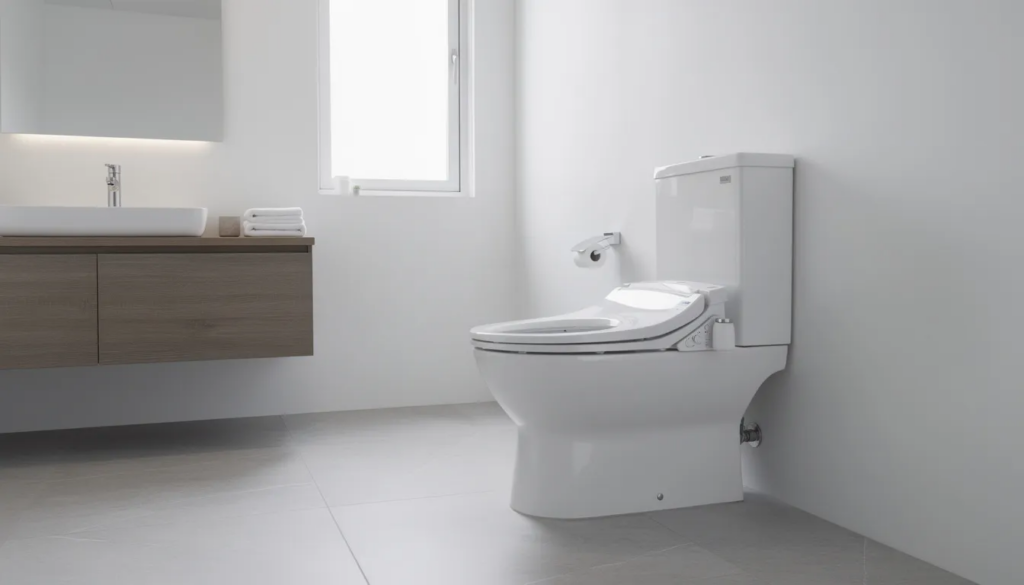
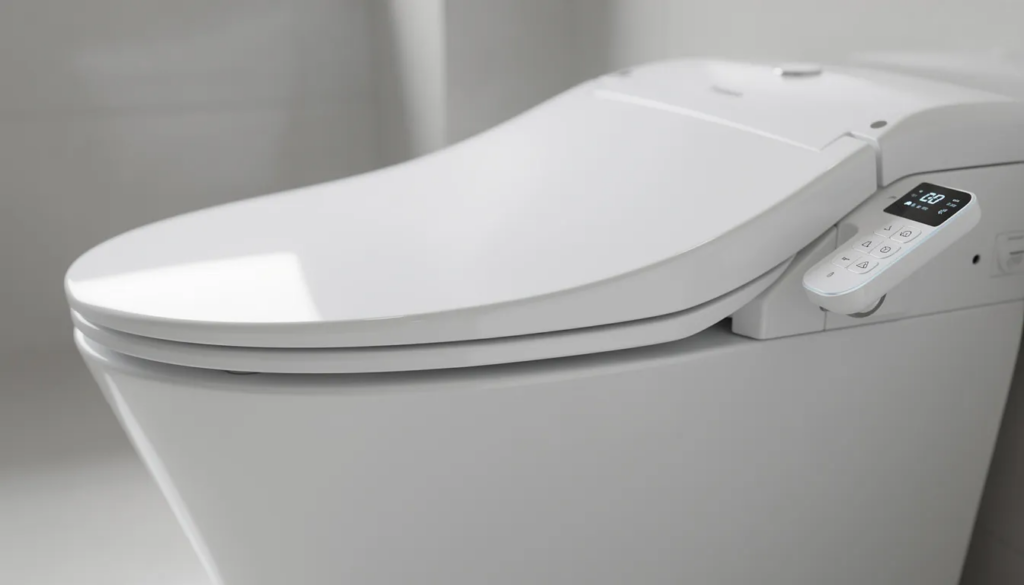
Key parts of a bidet:
- Nozzle (retractable spray wand for front and rear wash)
- Control panel or wireless remote
- Water inlet with safety valve and backflow prevention
- Heating element (in electric models)
Water temperature options vary by model:
- Ambient (cold water from mains supply)
- Mixed warm water (connected to both hot and cold lines)
- Heated tankless systems (electric units that heat water on demand)
A typical wash cycle uses approximately 0.4–0.6 litres of water—far less than most people assume.
Health & hygiene benefits of using a bidet
Research from Japan, Europe, and North America links bidet usage to improved comfort and hygiene for many users. While a bidet won’t sterilise your skin, it offers several advantages over toilet paper alone.
Cleanliness Water can remove residual poop, menstrual blood, and urine more effectively than dry paper. Many users report they finally feel clean after making the switch. The bidet’s wash features provide a thorough rinse that wiping simply cannot match.
Hemorrhoid and anal fissure relief Studies suggest that gentle spray settings can reduce anal pressure and irritation. For people dealing with hemorrhoids or recovering from anal surgery, a bidet offers symptom relief without the friction of wiping.
Skin conditions People with eczema, post-surgery wounds, or painful sores often find wiping uncomfortable or even damaging. A bidet using low-pressure, lukewarm water provides a gentler alternative that won’t aggravate sensitive skin.
Mobility and disability support Automatic wash and dry functions support elderly users, people with arthritis, spinal injuries, or limited reach. The ability to clean independently reduces fall risk in the bathroom and preserves dignity for those who might otherwise need assistance.
Caution: Use low to moderate water pressure settings. People with vaginas should direct spray front-to-back to avoid bacterial transfer. Avoid overuse, as excessive washing can disrupt the natural microbiome of the genital area.
Who can particularly benefit from a bidet?
Bidets aren’t just for hygiene enthusiasts—they provide meaningful benefits for specific groups who may struggle with conventional toilet paper.
Older adults living independently who may have difficulty twisting or maintaining balance while wiping thoroughly benefit enormously from automated cleaning.
Pregnant and postpartum people find relief for perineal soreness, especially those recovering from episiotomy stitches or natural tearing during childbirth.
People with chronic conditions like Crohn’s disease, ulcerative colitis, or irritable bowel syndrome who use the toilet frequently can reduce irritation from constant wiping.
Carers and occupational therapists seeking hygiene solutions that preserve dignity for clients in home care, rest homes, and hospital settings often recommend bidets as part of their sales service to families.
Parents of young children teaching bathroom independence appreciate child-friendly presets that make cleaning easier and more thorough.
Regulations, plumbing & installation in New Zealand
New Zealand has specific plumbing rules for connecting bidets to mains water, primarily focused on preventing contamination of the potable water supply.
Backflow prevention requirements All bidet installations must include backflow prevention devices—such as check valves, RPZ valves, or “water diodes”—to ensure used water cannot flow back into your household or public water supply. This protects against potential infection risks and contamination.
NZ Building Code compliance The NZ Building Code and NZS 3500 require bidet installations to be carried out or signed off by a licensed plumber, especially for units with integrated spray nozzles or hand showers. This isn’t just red tape—proper installation is essential for safety and warranty protection.
Cost considerations
- Basic cold-water attachments: Often DIY-friendly, but still recommend plumber inspection ($50–$150 for peace of mind)
- Electronic bidet seats: May require both a plumber and electrician ($200–$500 for installation)
- Standalone bidets: Full plumbing installation required ($500–$1,500+ depending on bathroom layout)
Electrical requirements Many homes will need a nearby 230V power outlet for advanced electronic seats. A registered electrician must install any new GPO (general power outlet) in wet areas like bathrooms. Never use extension cords or adapters as a permanent solution.
Typical installation overview:
- Turn off water supply to the toilet
- Remove the old seat and note bolt spacing
- Fit the attachment or new bidet seat according to manufacturer instructions
- Connect water supply hoses with proper sealing
- Test for leaks at all connection points
- Verify backflow protection is correctly installed
- For electric models: plug into appropriate outlet and test functions
Working with professionals and safety considerations
Before purchasing a bidet, consult a licensed plumber to ensure your existing toilet pan, cistern, and pipework are compatible with your chosen model. Not all toilets work with all bidet seats—shape, size, and mounting point variations can create compatibility issues.
Certification to look for:
- WaterMark certification confirming Australian/NZ plumbing standards
- Compliance with WMTS-051 or relevant NZ standards
- Electrical safety marks for powered devices
Safety priorities:
- Licensed plumber sign-off protects you legally and ensures correct installation
- Backflow protection is non-negotiable for any water-connected device
- Electrical safety around wet areas requires proper outlet placement and circuit protection
Always follow manufacturer instructions carefully to avoid leaks, scalding from excessively hot water, or electrical hazards. Be careful with water temperature settings, especially for children, elderly users, or anyone with reduced sensation.
Warranty and service considerations: Ask retailers about warranty conditions, service support within New Zealand, and whether spare parts are available locally. Some brands offer comprehensive support; others require shipping products overseas for repairs.
Important: DIY installation may void warranties or breach local regulations, especially for devices connected to mains electricity or directly to potable water lines. When in doubt, spend the money on professional installation.
How to choose the right bidet for your bathroom
The “best” bidet depends on your bathroom layout, budget, mobility needs, and whether you own or rent your home. A suitable model for a Wellington rental may differ entirely from what works in a spacious new build in Auckland.
Compatibility checks:
- Measure your toilet shape (round vs elongated bowls have different seat requirements)
- Check if your toilet is back-to-wall, close-coupled, or wall-hung
- Assess space for power outlets (within 1 metre of toilet) and water line access
- Confirm bolt spacing matches the bidet seat you’re considering